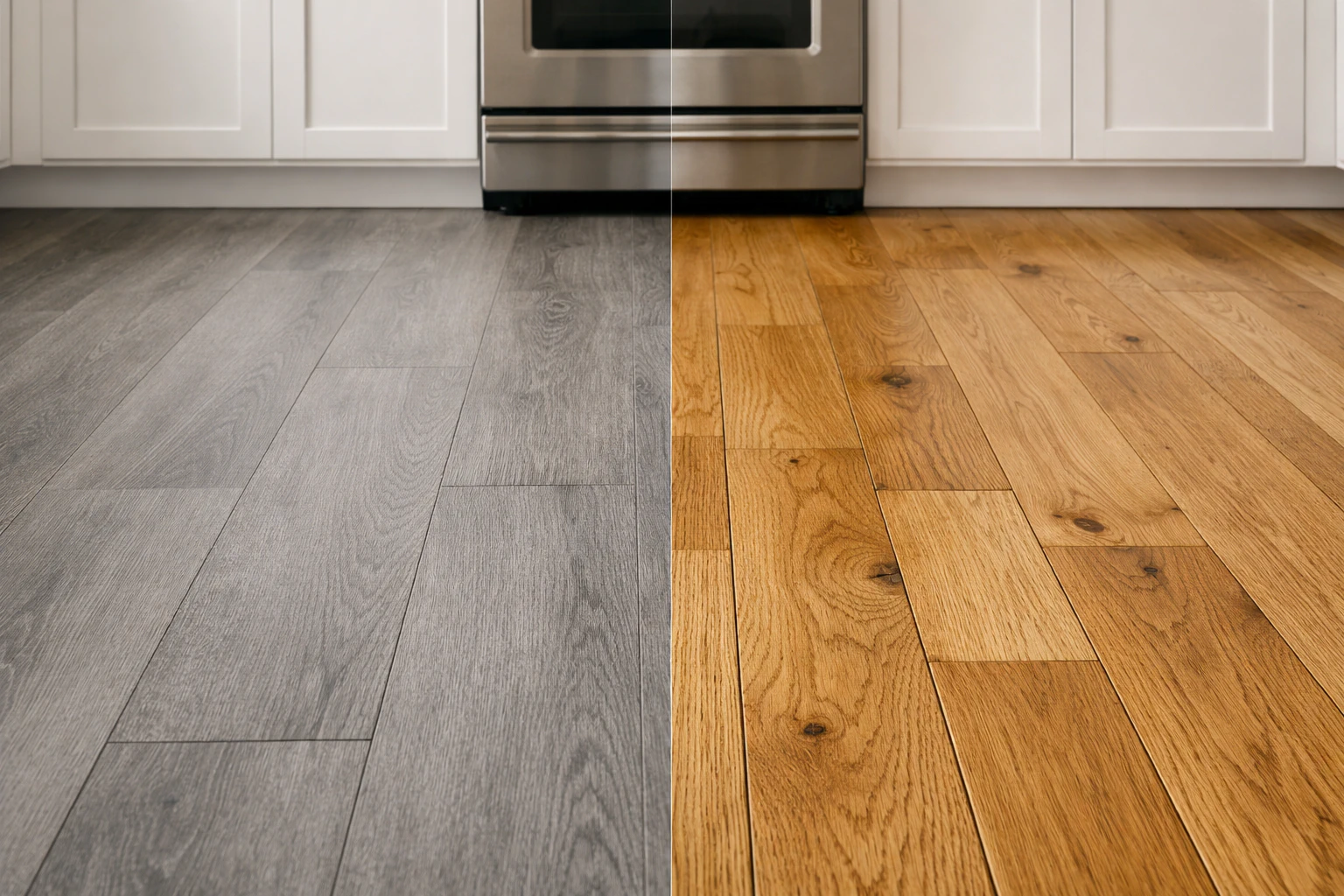
Updated July 2026. Prices reflect US market installed costs from Home Depot, Lowe's and local flooring suppliers. All comparisons based on a typical 150 sq ft kitchen.
The flooring question every kitchen remodel starts with
"Should I do vinyl plank or real hardwood?" is where most kitchen flooring decisions begin — and in a kitchen specifically, the answer leans harder toward vinyl than almost anywhere else in the house. Both give you the warm wood look. Both come in click-together and nail-down versions. But they sit at opposite ends of the three axes that actually matter: upfront cost, water resistance, and how they age.
The short version: luxury vinyl plank (LVP) is a third of the price, fully waterproof, and DIY-friendly — the practical kitchen choice. Solid hardwood costs three times as much and isn't waterproof (a real liability under a dishwasher), but it lasts generations because it can be sanded and refinished, and it adds resale value LVP can't match.
Below: a side-by-side table, when each one wins, the kitchen-specific water problem that decides it for most people, the engineered-hardwood middle path, and FAQs.
Side-by-side comparison
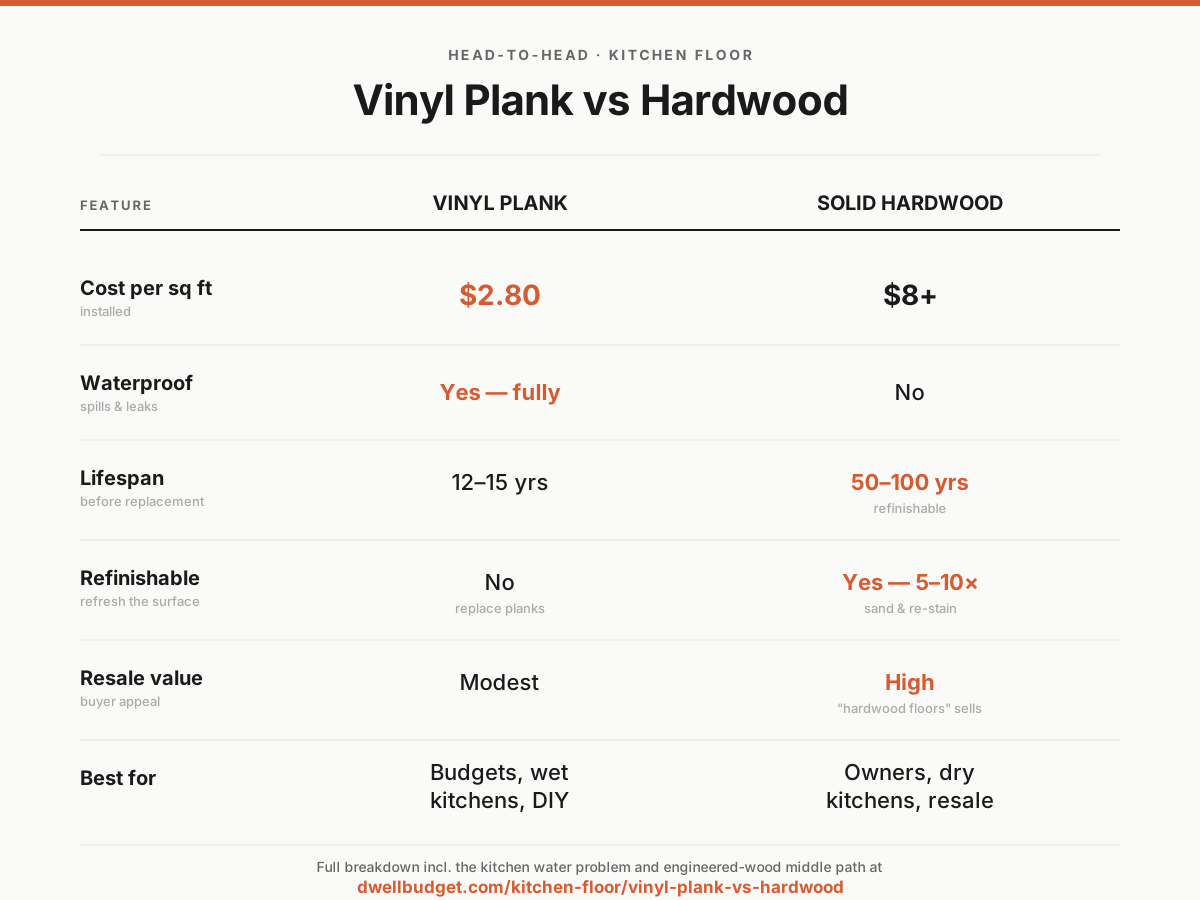
| Luxury vinyl plank (LVP) | Solid hardwood | |
|---|---|---|
| Cost per sq ft (installed) | $2.80 | $8+ |
| 150 sq ft kitchen total | ~$420 | $1,200+ |
| Waterproof | Yes — fully | No — water damages it |
| Lifespan | 12–15 years | 50–100 years |
| Refinishable | No — replace planks | Yes — 5–10 times |
| DIY install | Click-lock float, a weekend | Nail-down, pro-level |
| Scratch handling | Resists well, can't repair | Scratches, but sands out |
| Resale value | Modest | High — buyers pay for real wood |
| Best for | Renters, budgets, wet kitchens | Owners, long-term, dry kitchens |
When to pick vinyl plank
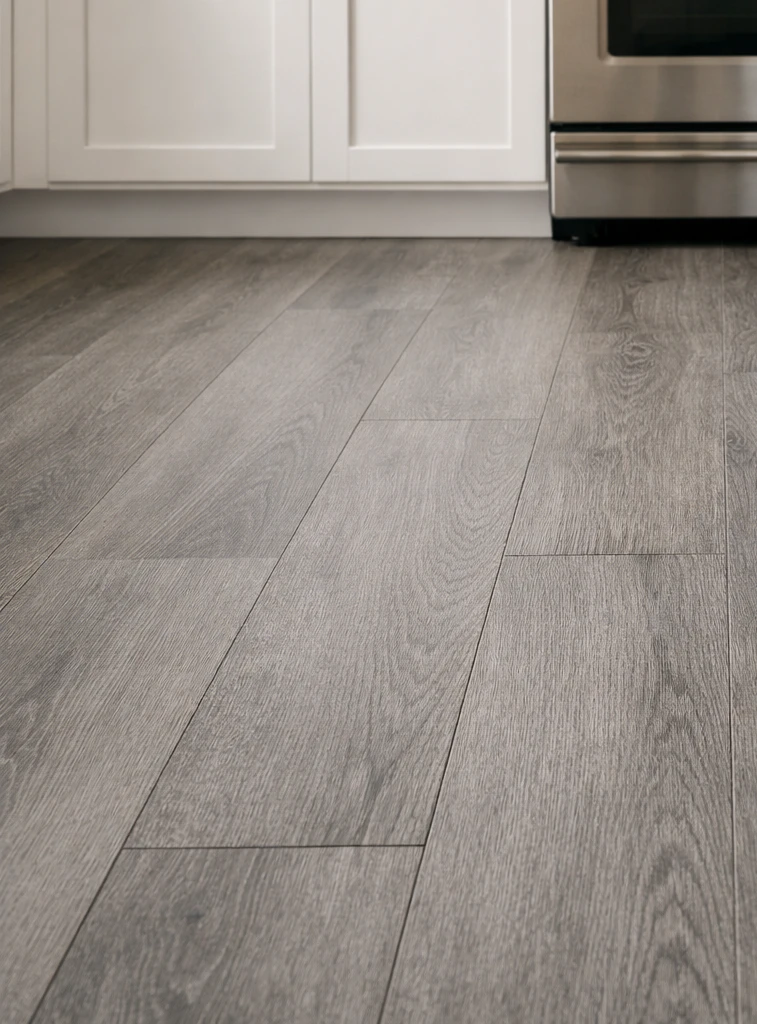
Pick LVP if at least three of these are true:
- Budget is a primary driver — it's roughly a third the installed cost
- Your kitchen sees real water — dishwasher, sink splashes, frequent mopping
- You want to install it yourself over a weekend
- You're staying under ~10 years, or you rent and want a removable option
- You have big dogs — the wear layer shrugs off claw scratching
Click-lock LVP at $2.80/sq ft floats over almost any flat subfloor with no glue or nails — the single most DIY-friendly real-floor install there is. Quality lines (LifeProof, SMARTCORE, COREtec) carry a thick aluminum-oxide wear layer that handles a kitchen's abuse for 12–15 years. The waterproof core is the headline feature: spills, a dropped ice cube tray, a slow appliance weep — none of it reaches or warps the floor.
What you give up: you can't refinish it (when it wears or gouges, you swap planks — keep a spare box), resale value is modest, and underfoot it feels slightly less solid and warm than real wood. None of that matters much in a rental or a budget-driven reno; all of it matters if you're furnishing a forever home.
See waterproof click-lock LVP on Amazon →
When to pick hardwood
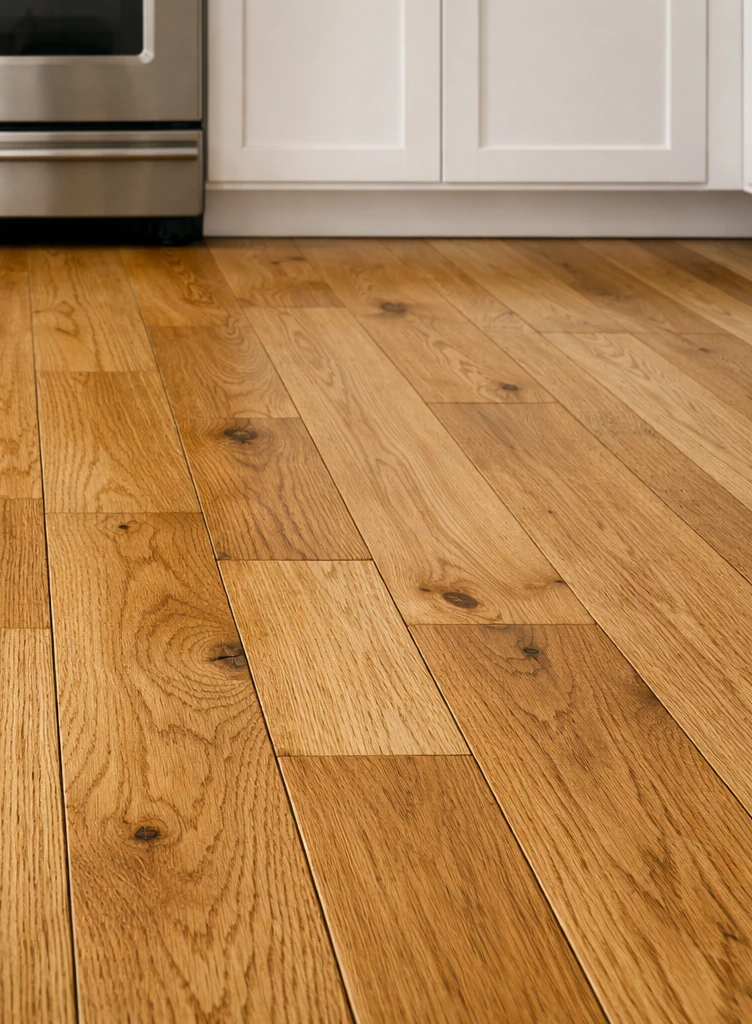
Pick solid hardwood if at least three of these are true:
- You own the home and plan to stay 10+ years
- Your kitchen stays relatively dry — no chronic leaks, you mop dry
- You want the floor to add real resale value
- You want to refresh the look by refinishing over the decades
- You want genuine wood underfoot and the patina that develops with age
Solid hardwood at $8+/sq ft is the premium, generational choice. The math that justifies the price is refinishing: a solid oak floor can be sanded back and re-stained 5–10 times across its life, which is why century-old floors still look beautiful. Each refinish is a few hundred dollars and resets the surface completely — something no LVP can do. And in resale, "hardwood floors" is a phrase that sells houses.
What you give up: three times the upfront cost, water vulnerability (the kitchen's real risk — see below), and a harder install that usually means hiring out the nail-down and the acclimation period. Hardwood rewards patience and ownership; it punishes a wet kitchen and a tight timeline.
See prefinished solid oak on Amazon →
The kitchen water problem that decides it
This is the factor that settles the choice for most kitchens. Hardwood and water are long-term enemies, and the kitchen is the wettest non-bathroom room in the house.
The danger isn't the spill you wipe up — it's the slow leak you never see. Dishwashers and refrigerator water lines weep small amounts for months before anyone notices. Under hardwood, that sustained moisture causes cupping (boards curling up at the edges), blackening from mold, and eventually full board replacement. LVP's waterproof core simply doesn't care.
If your kitchen opens into a dining or living area that already has hardwood, you have three honest options:
- Run LVP through the whole open plan — visual continuity, fully waterproof, lowest cost. The most popular modern choice.
- Hardwood everywhere, LVP or tile in the wet galley — a deliberate "drop zone" of waterproof floor where the sink and dishwasher live, hardwood elsewhere.
- Hardwood throughout with leak insurance — only if the kitchen is genuinely low-moisture. Put a $15 leak-detector alarm and a drip pan under the dishwasher and fridge line.
The engineered-hardwood middle path
If you want real wood in a kitchen but the water risk worries you, engineered hardwood is the hedge. It's a real wood veneer bonded over a cross-layered plywood core — that core is far more dimensionally stable than solid wood, so it tolerates a kitchen's humidity swings and minor moisture much better. Depending on veneer thickness, it can be refinished once or twice.
It still isn't waterproof like LVP — a standing leak will still damage it — but at $5–7/sq ft it genuinely splits the difference: the look and underfoot feel of real wood, meaningfully better moisture tolerance than solid hardwood, and some refinishing life. For a careful household that mops dry and catches spills, engineered hardwood is the compromise that gives up the least on either side.
See click-lock engineered hardwood on Amazon →
The short verdict
Pick vinyl plank if budget matters, your kitchen gets wet, you want to DIY, or you're not staying forever. Pick solid hardwood if you own long-term, the kitchen stays dry, and resale value and refinishability matter to you. Pick engineered hardwood if you want real wood underfoot but need better moisture tolerance than solid — it's the honest middle. For the majority of working kitchens, LVP is the practical answer; hardwood is the answer when the kitchen is dry and the house is a keeper.
Comparing more kitchen floor options? The full kitchen floor guide also covers peel-and-stick tile — the renter option for when neither vinyl plank nor hardwood fits the lease or the budget.
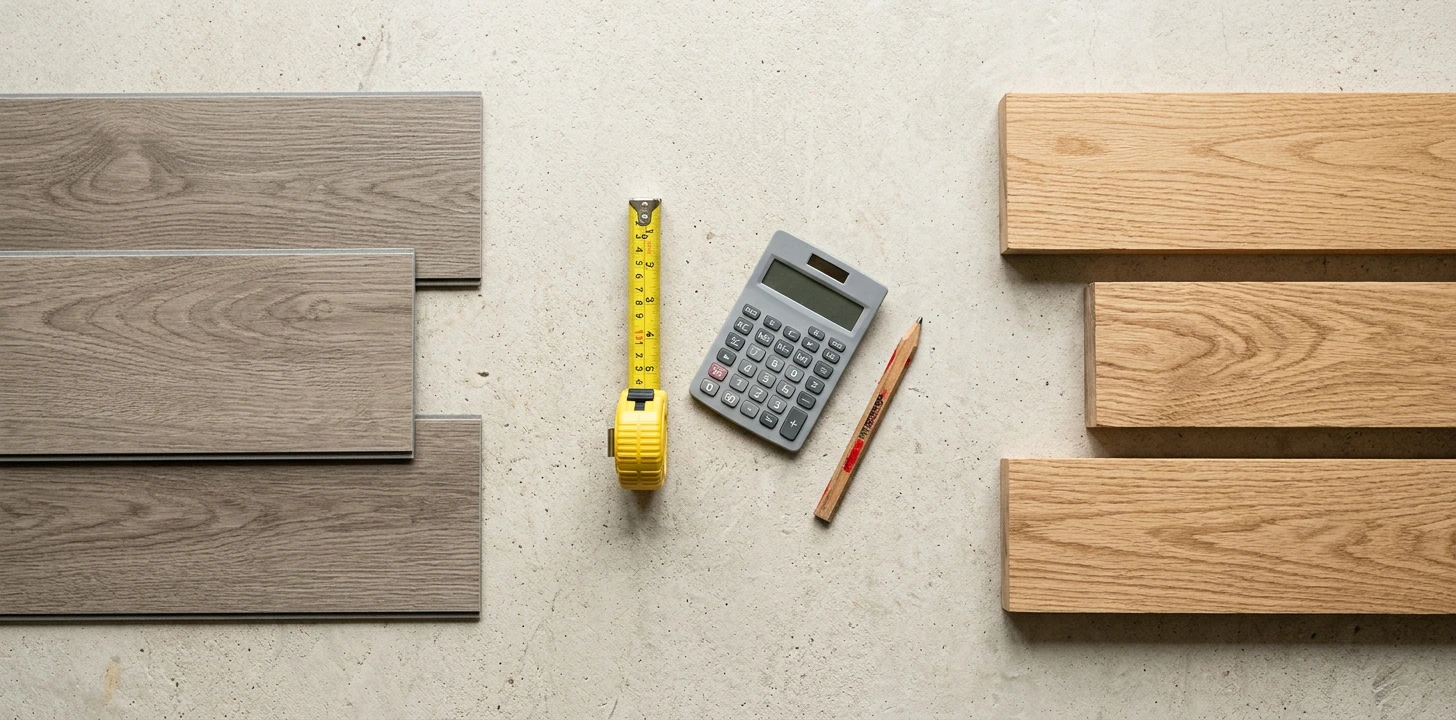 Hardwood vs Vinyl Plank: Real Cost Breakdown
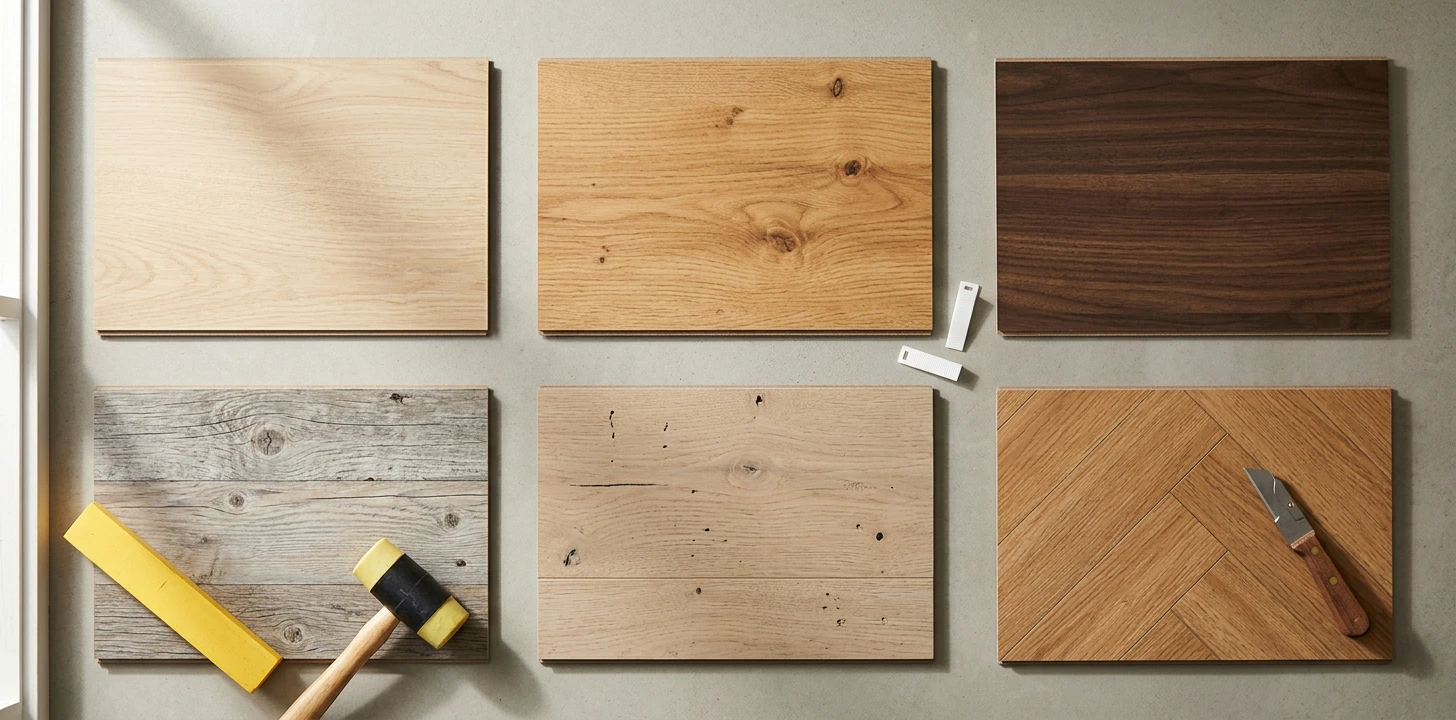 11 Best LVP Brands 2026
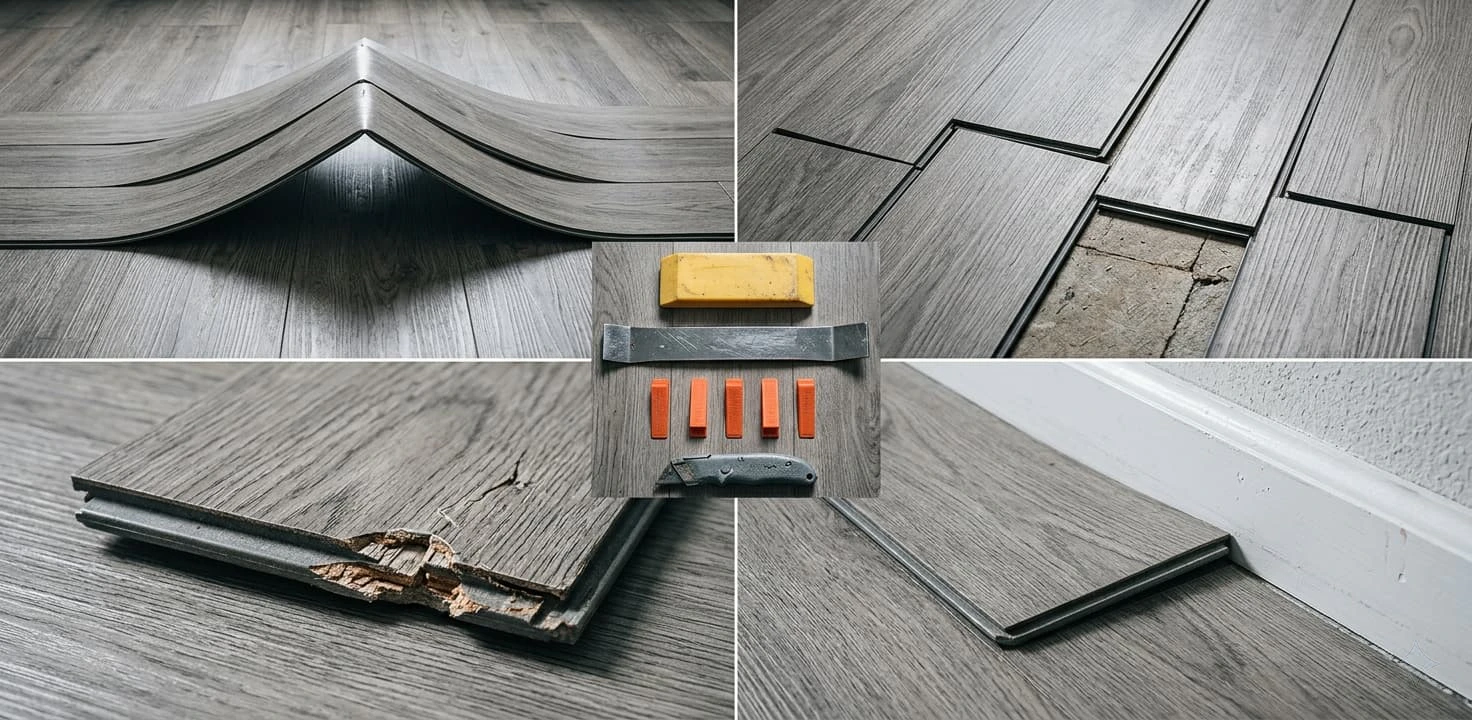 7 Vinyl Plank Mistakes That Cause Buckling
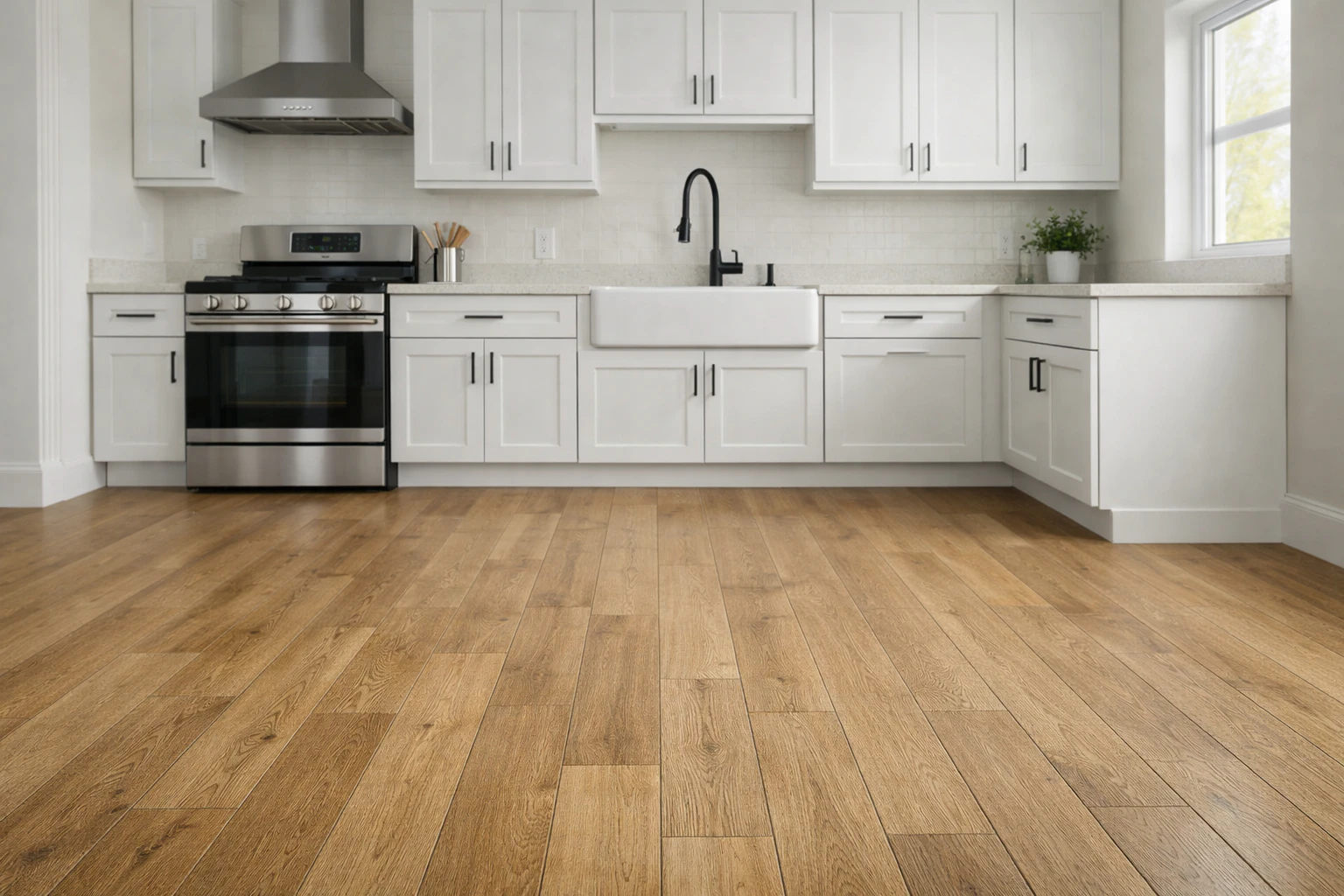 Full kitchen floor guide
 Garage Floor: Epoxy vs PVC
 Bathroom Floor