All head-to-heads

Material Comparisons

Side-by-side head-to-heads of the materials people actually compare before they buy. Each comparison covers cost, lifespan, install reality, and which audience the material is right for — with no recommendation engine, no affiliate-bias rankings, just the honest math behind each choice.

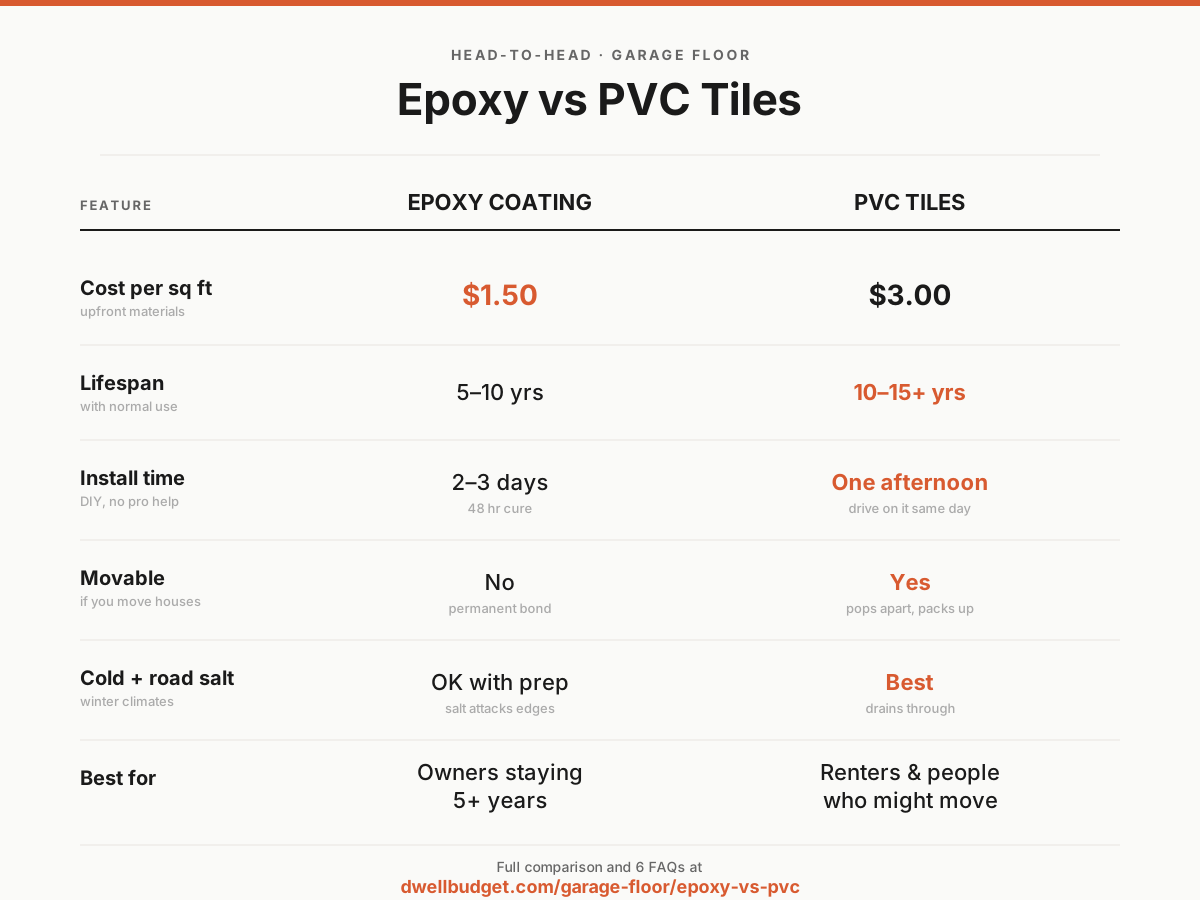
Comparison chart of epoxy coating versus interlocking PVC tiles for garage floors
Garage Floor

Epoxy vs PVC Tiles

$1.50/sq ft permanent coating vs $3/sq ft snap-together tiles. PVC wins on lifespan, install speed, removability and cold-climate performance. Epoxy wins on upfront cost and seamless look.

Best for: Owners staying 5+ years vs renters and movers

Read full comparison →
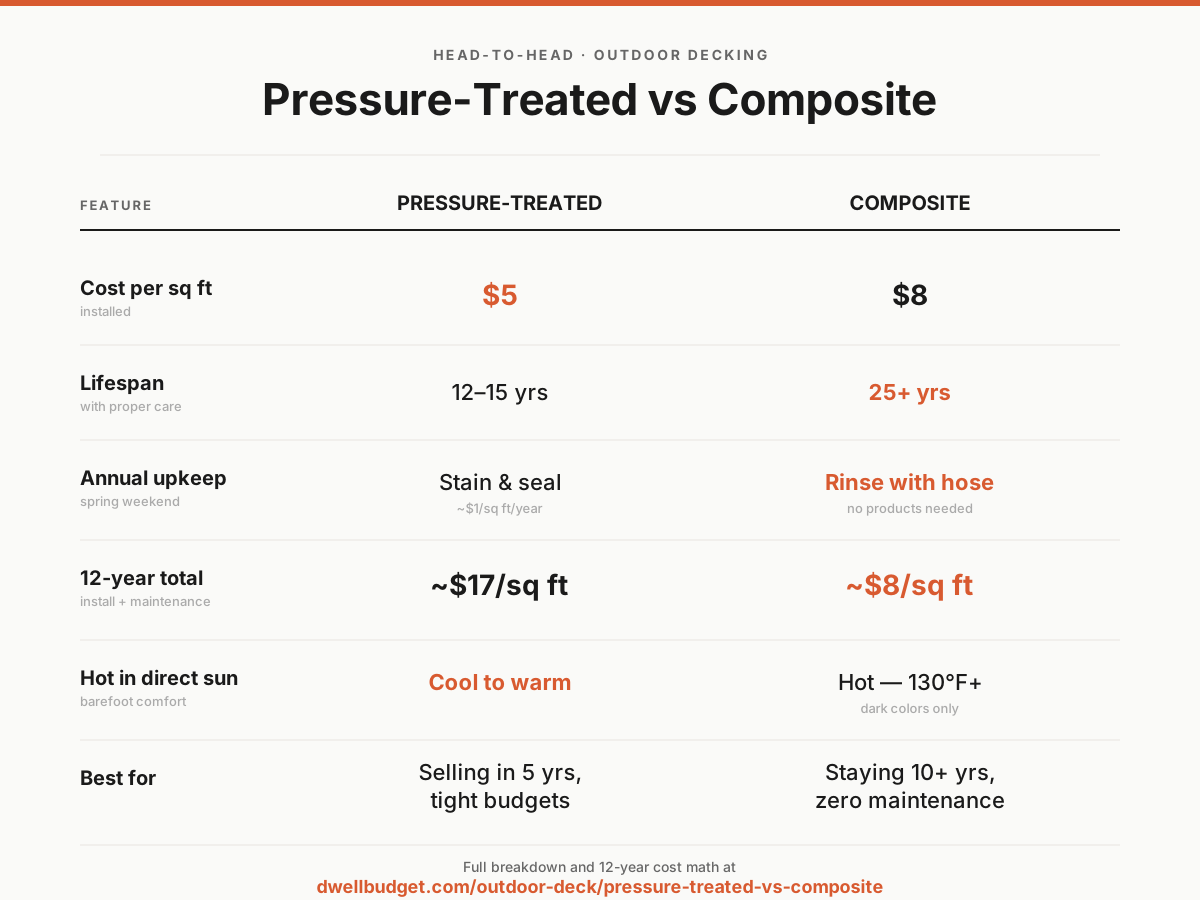
Comparison chart of pressure-treated lumber versus composite decking with 12-year maintenance math
Outdoor Deck

Pressure-Treated vs Composite

$5/sq ft lumber + annual stain weekend vs $8/sq ft composite that asks nothing for 25 years. Break-even hits year 6 — after that composite is genuinely cheaper than maintained PT.

Best for: Selling in 5 years vs long-term homeowners

Read full comparison →
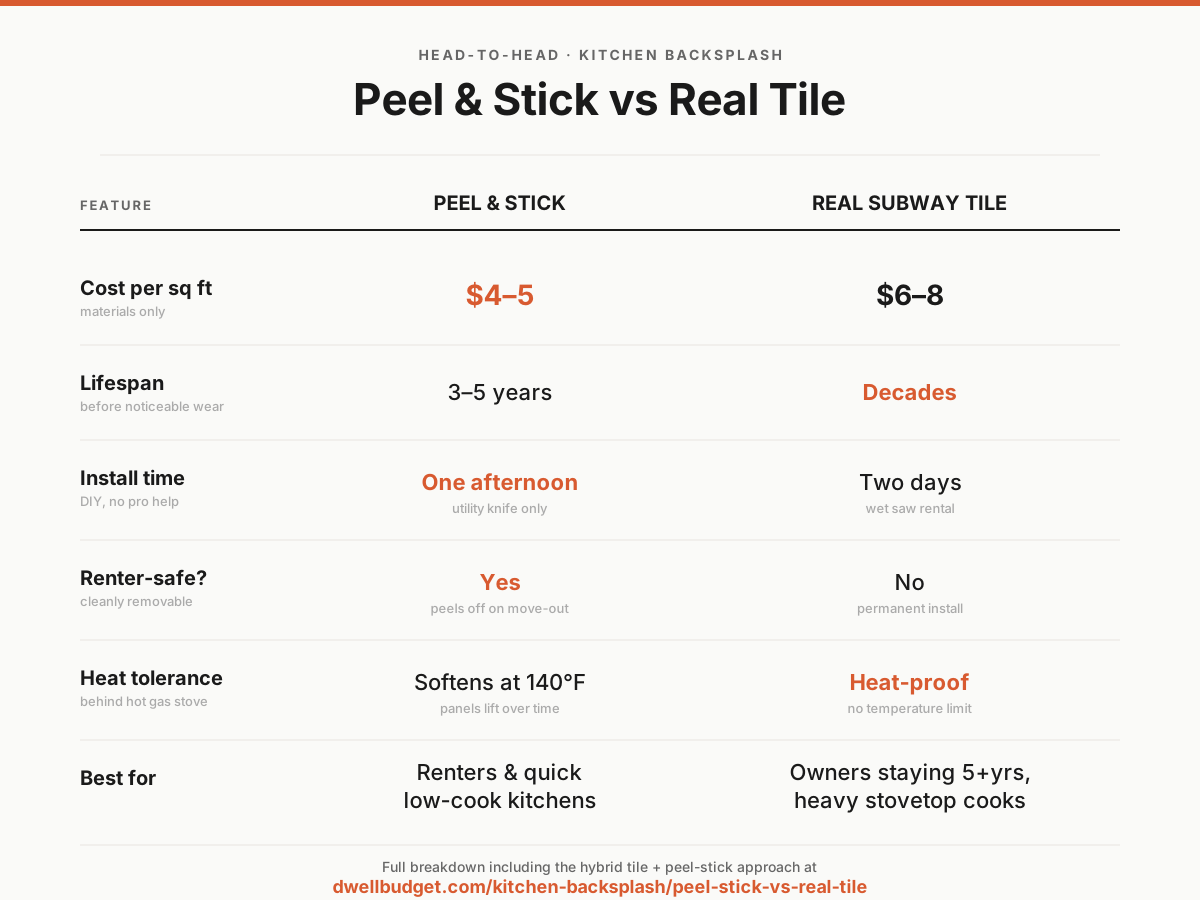
Comparison chart of peel-and-stick backsplash versus real ceramic subway tile
Kitchen Backsplash

Peel & Stick vs Real Tile

$130 weekend project vs $250 two-day permanent install. Peel-and-stick wins on cost, install and removability. Real tile wins on lifespan, heat tolerance and resale value.

Best for: Renters and low-cook kitchens vs owners with gas stoves

Read full comparison →
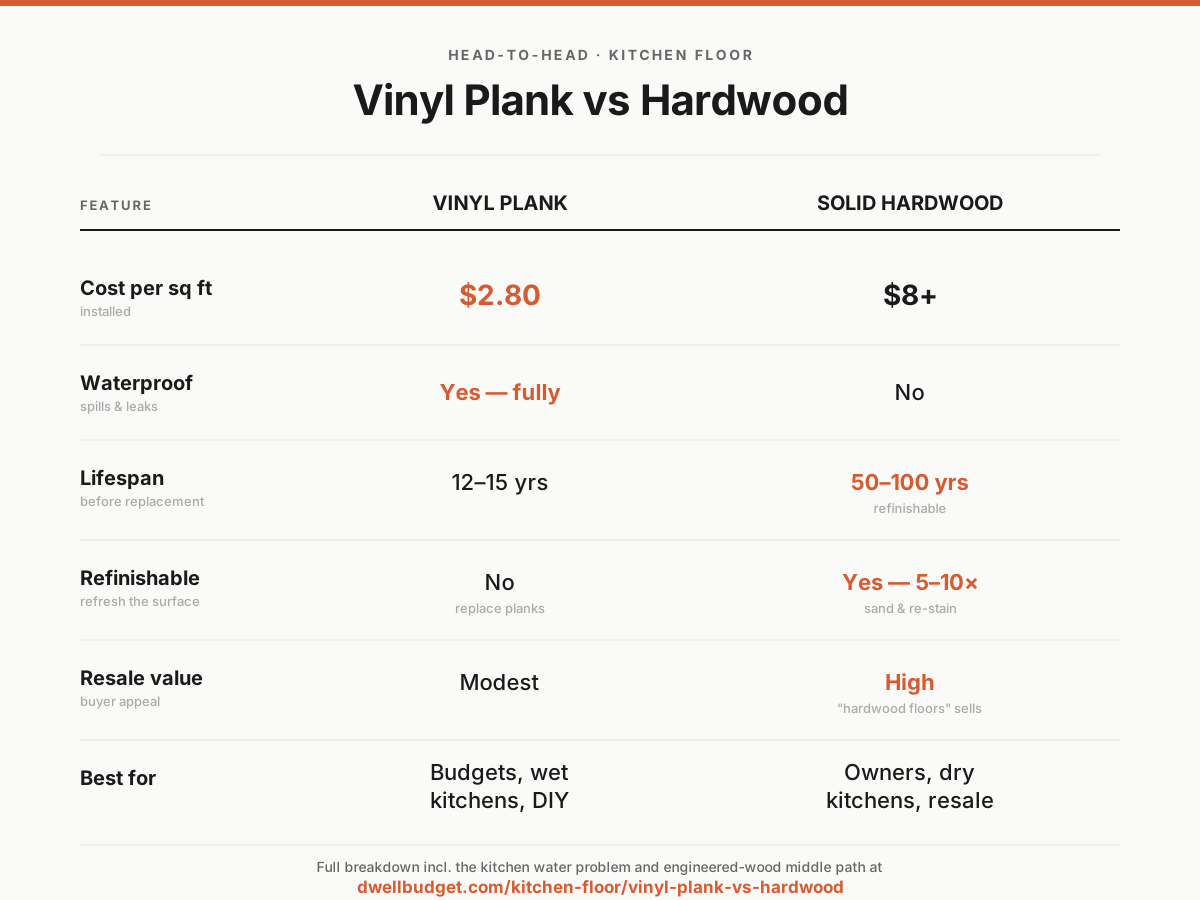
Comparison chart of luxury vinyl plank versus solid hardwood flooring
Kitchen Floor

Vinyl Plank vs Hardwood

$2.80/sq ft waterproof LVP vs $8+/sq ft solid hardwood. Vinyl wins on cost, water resistance and DIY install. Hardwood wins on lifespan, refinishability and resale value.

Best for: Budgets and wet kitchens vs long-term owners with dry kitchens

Read full comparison →
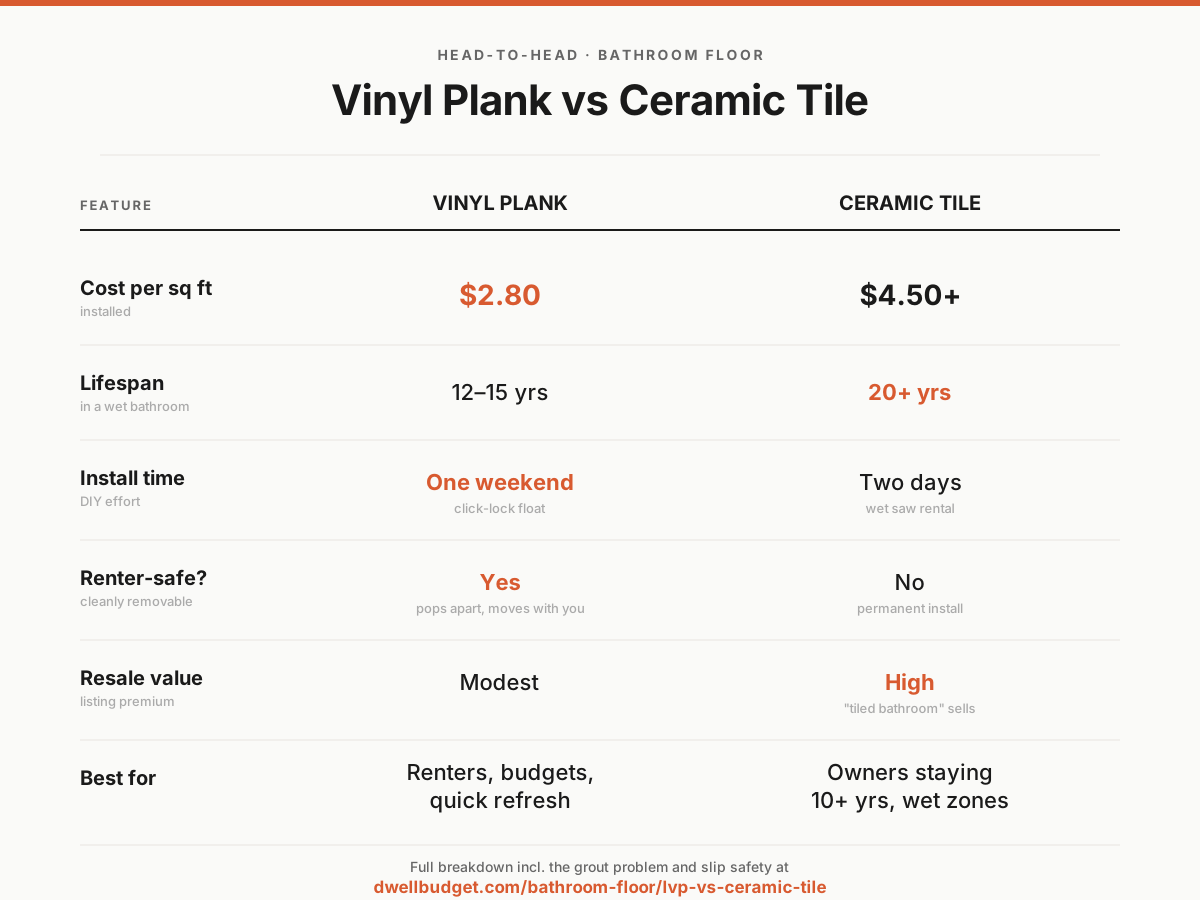
Comparison chart of luxury vinyl plank versus ceramic tile bathroom flooring
Bathroom Floor

Vinyl Plank vs Ceramic Tile

$2.80/sq ft DIY-friendly LVP vs $4.50+/sq ft permanent ceramic tile. Vinyl wins on cost, install speed and renter-safety. Tile wins on lifespan and resale value — but grout needs sealing every 1-2 years.

Best for: Renters and budgets vs owners staying 10+ years with wet zones

Read full comparison →
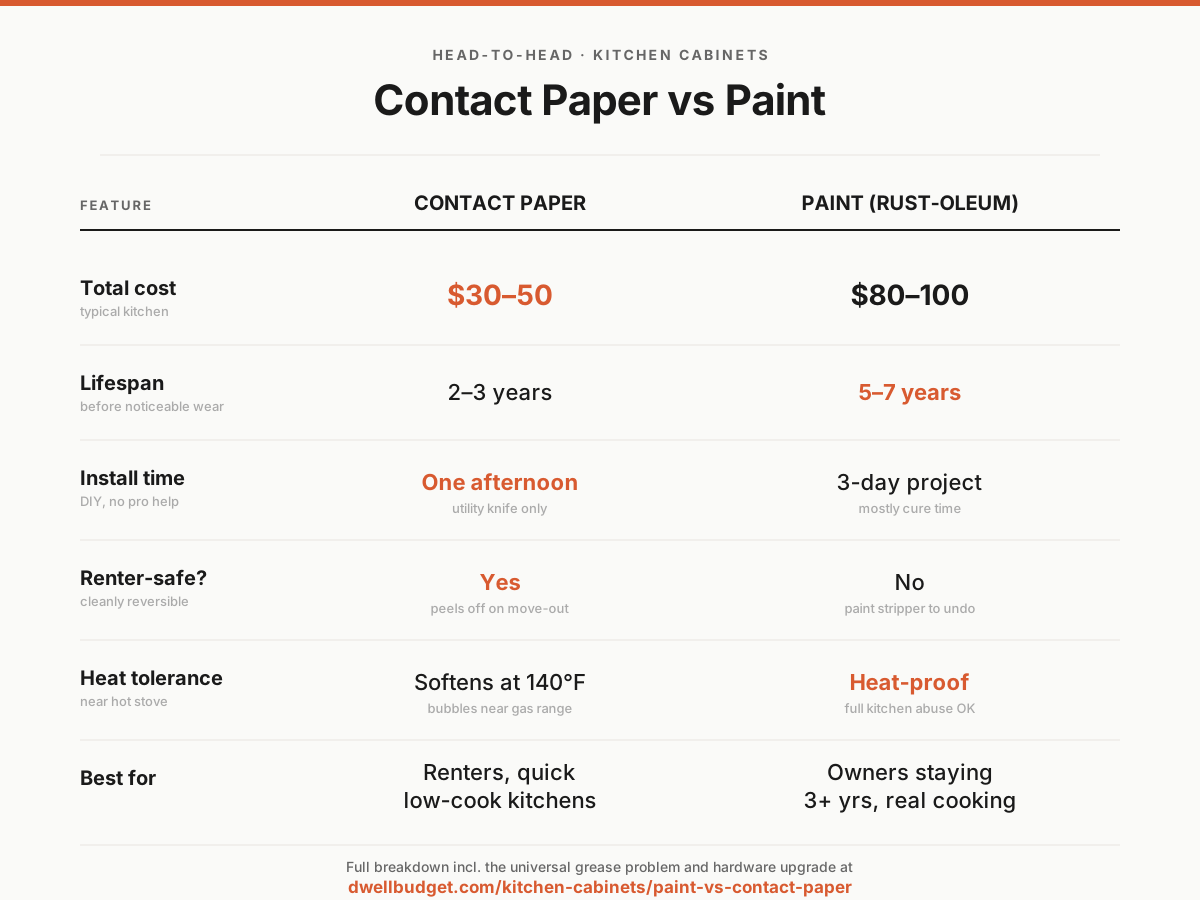
Comparison chart of contact paper wrap versus paint kit for kitchen cabinets
Kitchen Cabinets

Paint vs Contact Paper

$30-50 contact paper wrap (peels off cleanly) vs $80-100 bonded paint kit (5-7 year permanent finish). Wrap wins on cost, install speed and renter-safety. Paint wins on lifespan and heat tolerance near the stove.

Best for: Renters and low-cook kitchens vs owners staying 3+ years with stovetop cooking

Read full comparison →
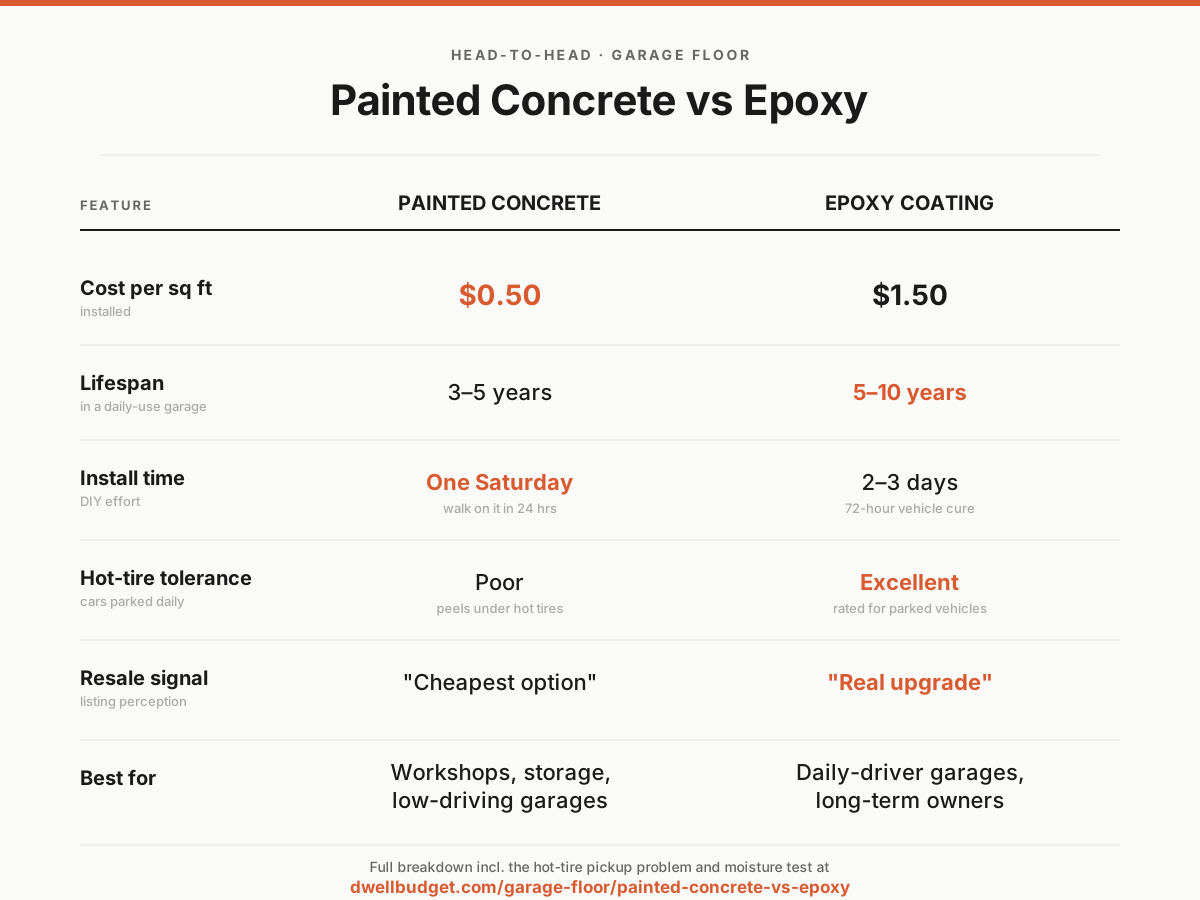
Comparison chart of painted concrete versus epoxy coating for garage floors
Garage Floor

Painted Concrete vs Epoxy

$0.50/sq ft concrete paint (one Saturday, repaint every 3-5 yrs) vs $1.50/sq ft epoxy kit (3-day install, 5-10 year permanent finish). The decisive factor is hot-tire pickup — paint peels under daily-driven cars, epoxy doesn't.

Best for: Workshops and low-driving garages vs daily-driver garages with long-term owners

Read full comparison →
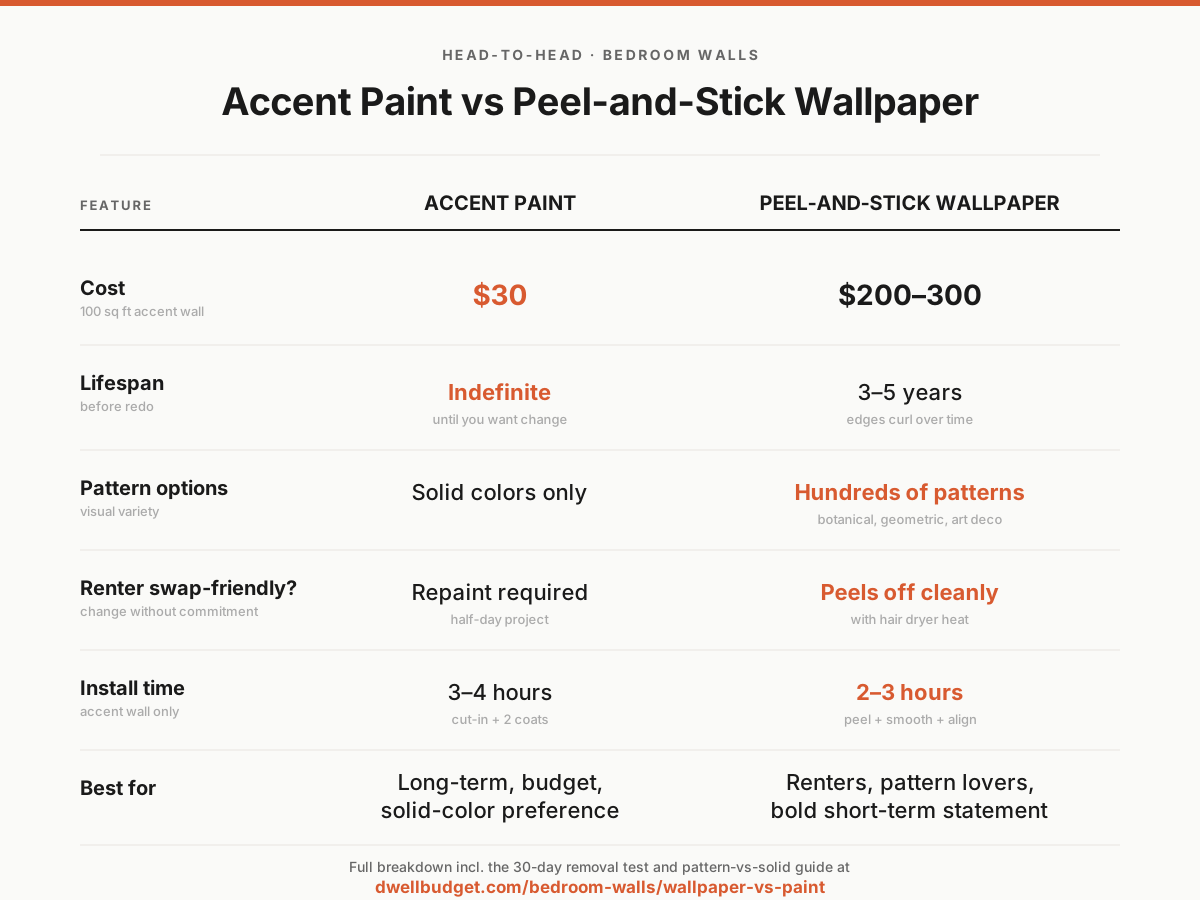
Comparison chart of peel-and-stick wallpaper versus accent paint for bedroom walls
Bedroom Walls

Wallpaper vs Paint

$30 accent paint (indefinite lifespan, repaint anytime) vs $200-300 peel-and-stick wallpaper (3-5 years, peels off cleanly, brings patterns paint can't). Paint wins cost and lifespan; wallpaper wins pattern options and renter swap-friendliness.

Best for: Long-term owners and solid-color preferences vs renters and pattern lovers

Read full comparison →
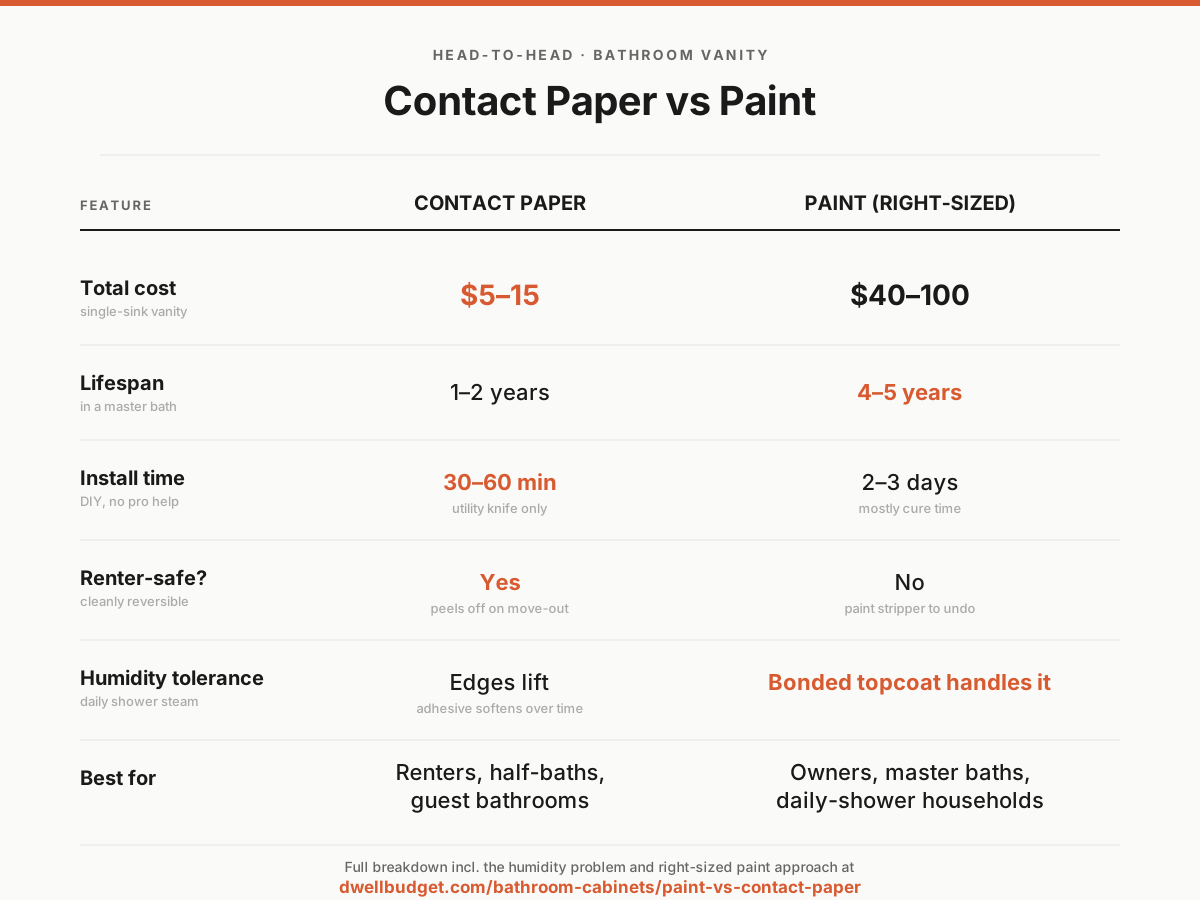
Comparison chart of contact paper wrap versus paint for a bathroom vanity
Bathroom Cabinets

Paint vs Contact Paper (Vanity)

$5-15 contact paper wrap (30-minute install, 1-2 years in a master bath) vs $40-100 paint with humidity-rated topcoat (4-5 years through daily shower steam). The decisive factor is humidity exposure — half-baths reward wrap's flexibility, master baths punish it.

Best for: Renters and half/guest baths vs owners with daily-shower master baths

Read full comparison →
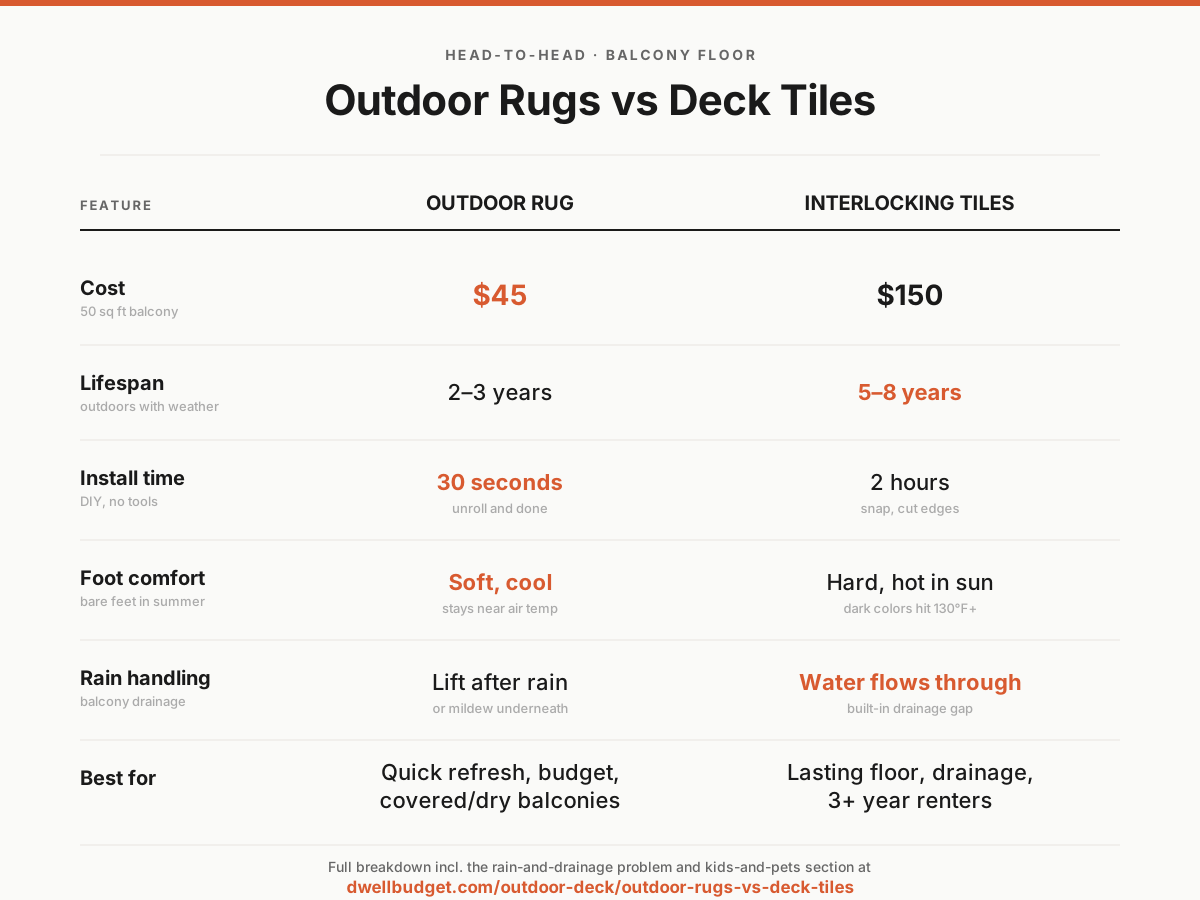
Comparison chart of outdoor rugs versus interlocking deck tiles for balconies
Balcony Floor

Outdoor Rugs vs Deck Tiles

$45 polypropylene rug (30-second unroll, 2-3 years lifespan) vs $150 interlocking deck tiles (2-hour snap install, 5-8 years with built-in drainage). The decisive factor is rain — tiles let water flow to the balcony drain, rugs block it and create mildew underneath.

Best for: Quick refresh and dry/covered balconies vs rain-exposed balconies with drainage holes

Read full comparison →
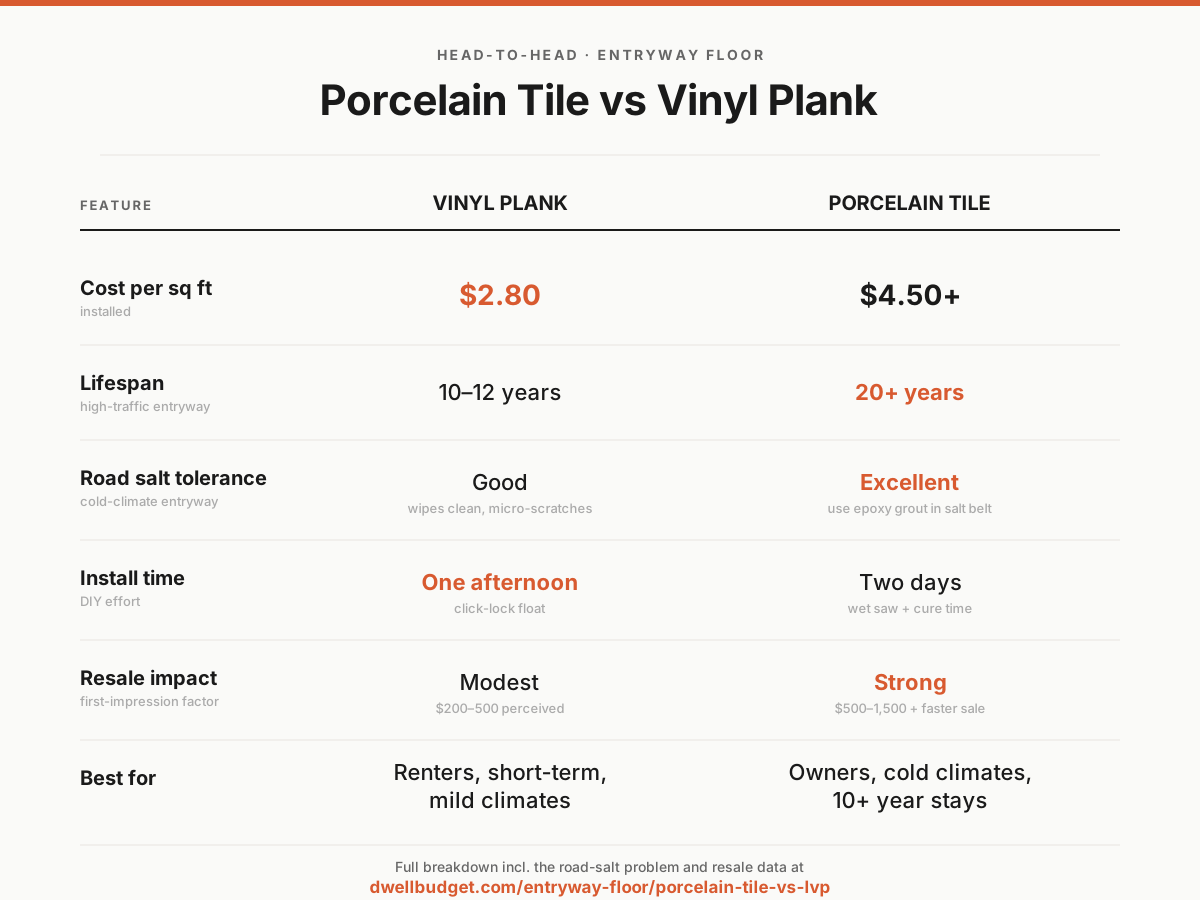
Comparison chart of luxury vinyl plank versus porcelain tile for entryway floors
Entryway Floor

Porcelain Tile vs Vinyl Plank

$2.80/sq ft LVP (renter-safe, 10-12 years) vs $4.50+/sq ft porcelain tile (permanent, 20+ years with strong resale signal). The decisive factors are ownership length and climate — tile pays back at resale in cold-climate long-term homes, LVP wins everywhere else.

Best for: Renters and short-term mild-climate stays vs long-term owners in salt-belt climates

Read full comparison →
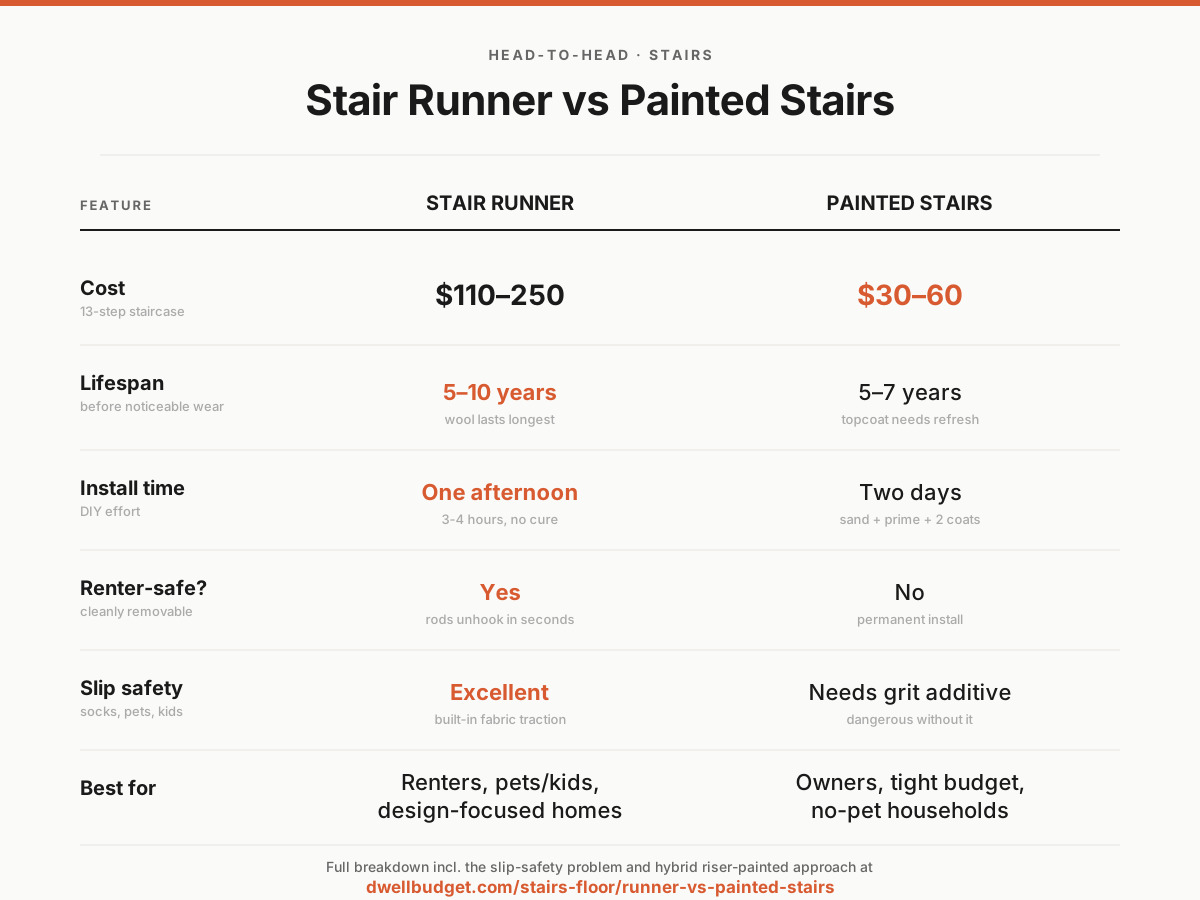
Comparison chart of stair runner with brass rods versus painted stairs
Stairs

Stair Runner vs Painted Stairs

$110-250 wool runner with brass rods (afternoon install, renter-safe, built-in slip safety) vs $30-60 painted stairs (2-day install, permanent, dangerous without anti-slip grit additive). The decisive factor for households with pets, kids or elderly residents is slip safety — runners win automatically.

Best for: Renters and households with pets/kids vs no-pet owners on tight budgets

Read full comparison →
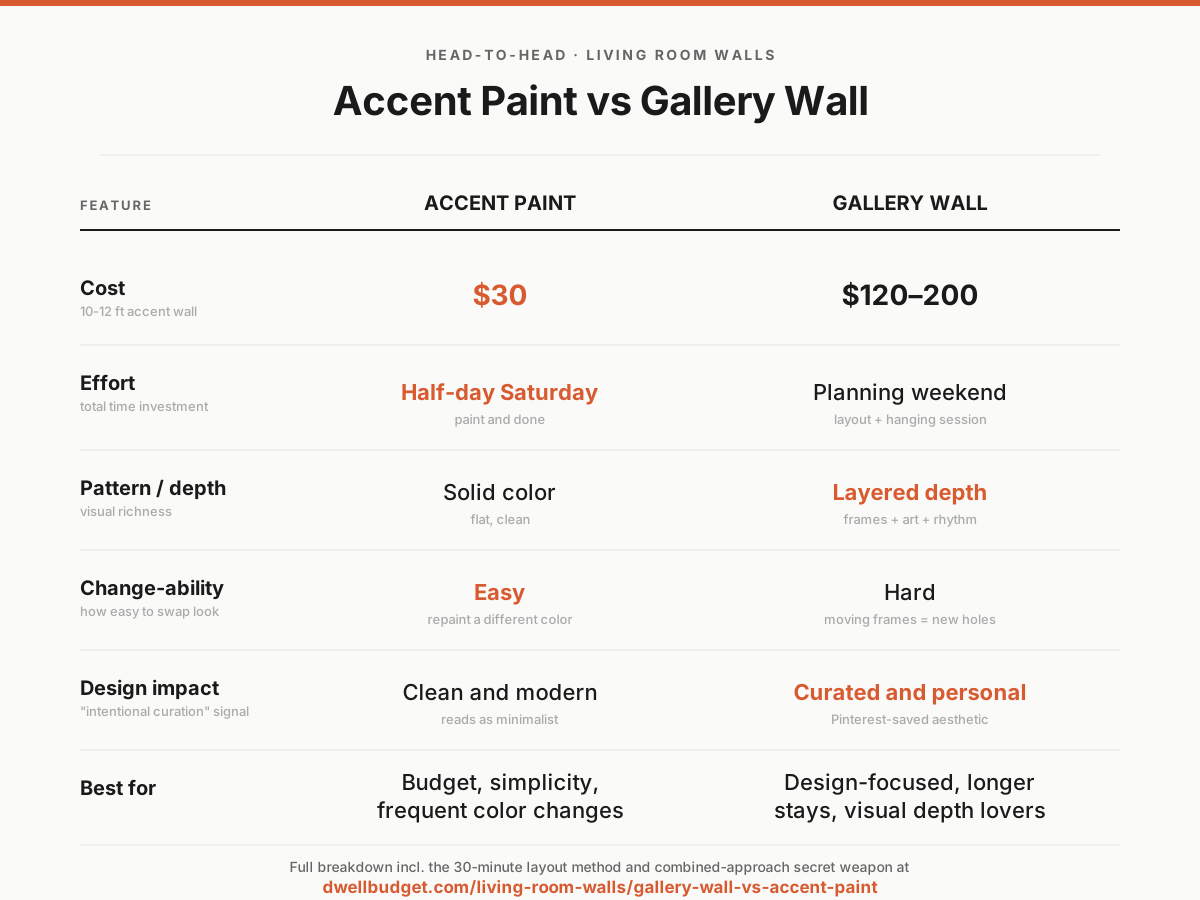
Comparison chart of accent paint versus curated gallery wall for living room walls
Living Room Walls

Gallery Wall vs Accent Paint

$30 accent paint (half-day Saturday, repaint anytime) vs $120-200 curated gallery wall (planning weekend, layered visual depth that paint physically can't deliver). Paint wins on cost and ease; gallery wins on design impact. The best move: do both — dark paint + matte black frames is the most-Pinterest-saved combination.

Best for: Budget and simplicity vs design-focused longer stays with art to display

Read full comparison →
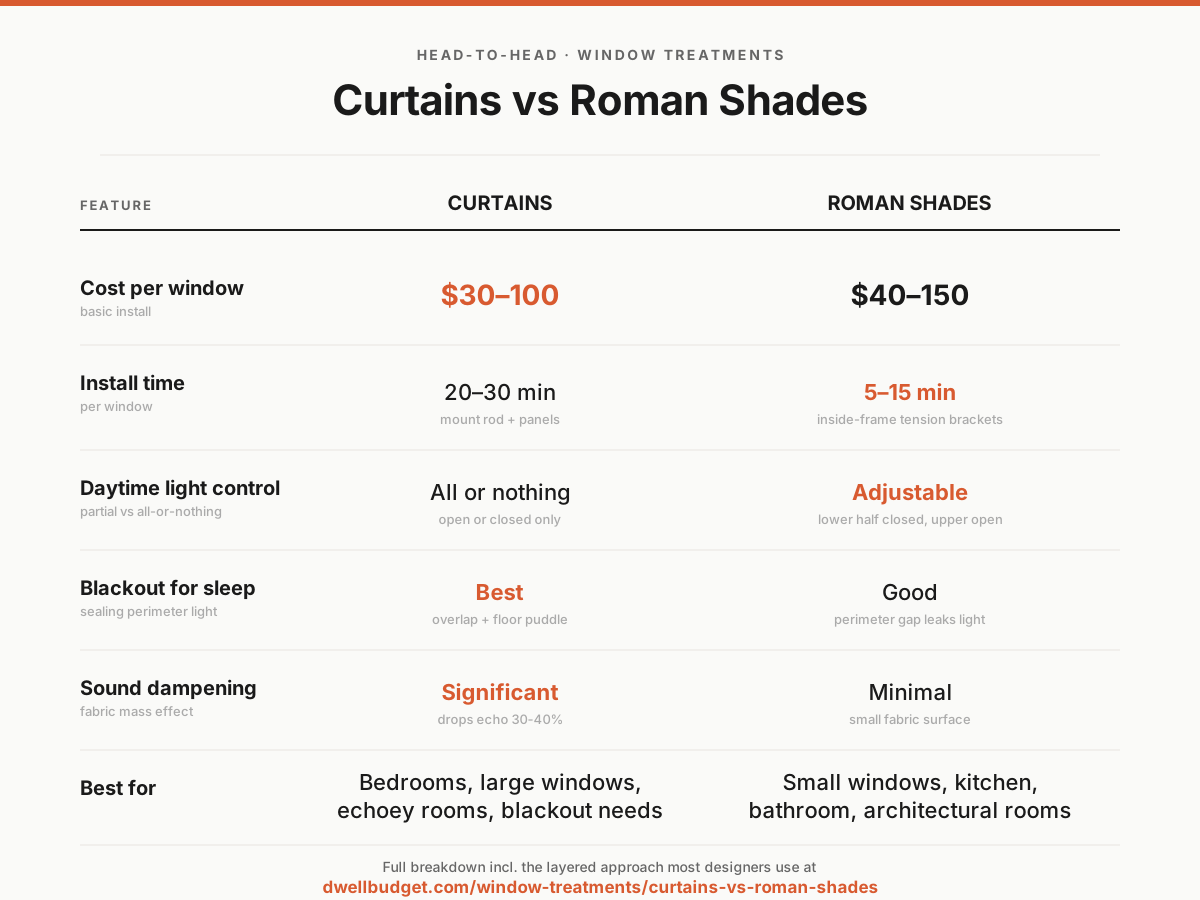
Comparison chart of curtains versus roman shades for window treatments
Window Treatments

Curtains vs Roman Shades

$30-100 curtains (best blackout, sound dampening, fabric warmth) vs $40-150 roman shades (cleaner architectural look, adjustable daytime light, kitchen/bathroom-friendly). They do different jobs — the best move for most apartments is layering both for the designed-window look.

Best for: Bedrooms with blackout needs vs small windows or kitchen/bathroom

Read full comparison →
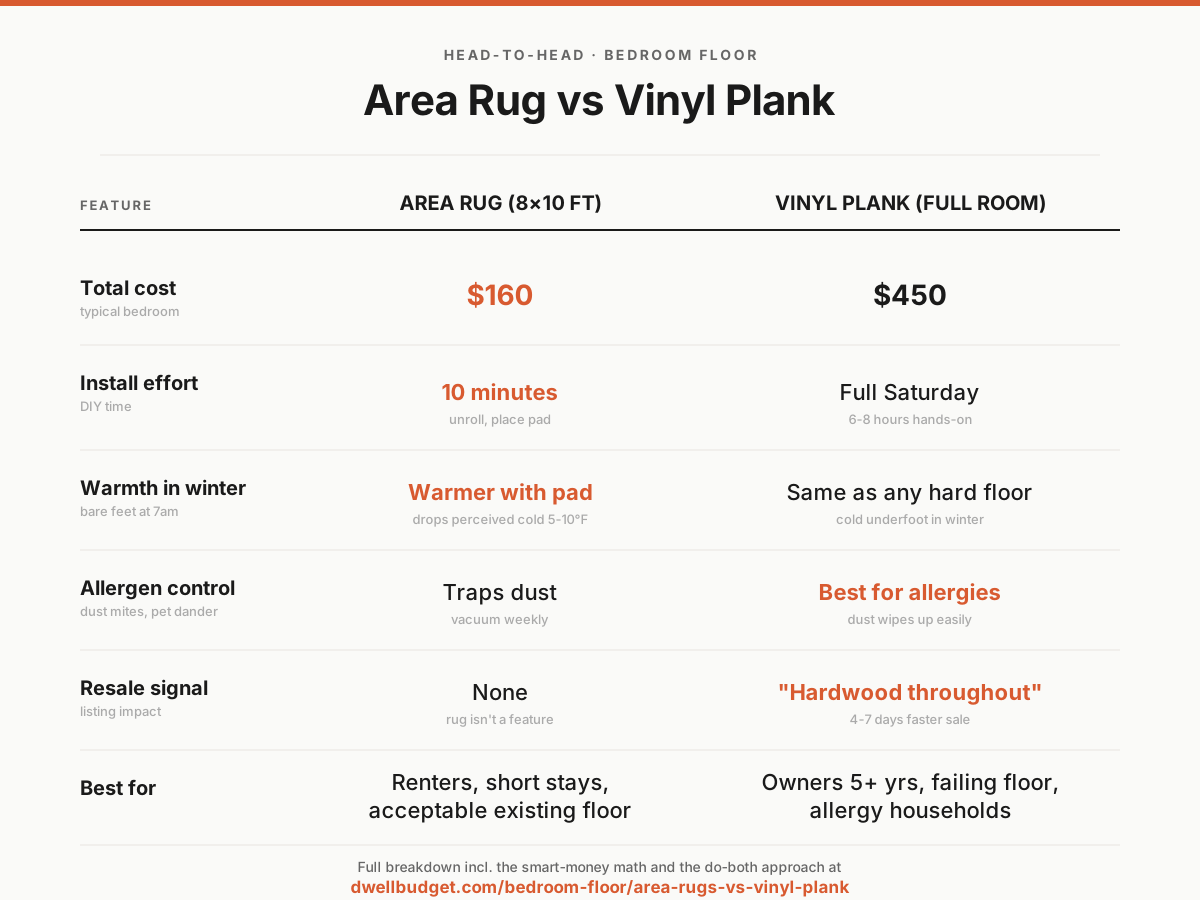
Comparison chart of area rug versus luxury vinyl plank for bedroom floors
Bedroom Floor

Area Rug vs Vinyl Plank

$160 area rug + pad (covers the part you walk on) vs $450 full LVP replacement. The smart-money math heavily favors the rug for renters and acceptable-floor situations; LVP wins for failing floors, allergies, and resale signal. Best move for owners with budget: do both.

Best for: Renters and acceptable existing floors vs owners with failing floors or allergy households

Read full comparison →
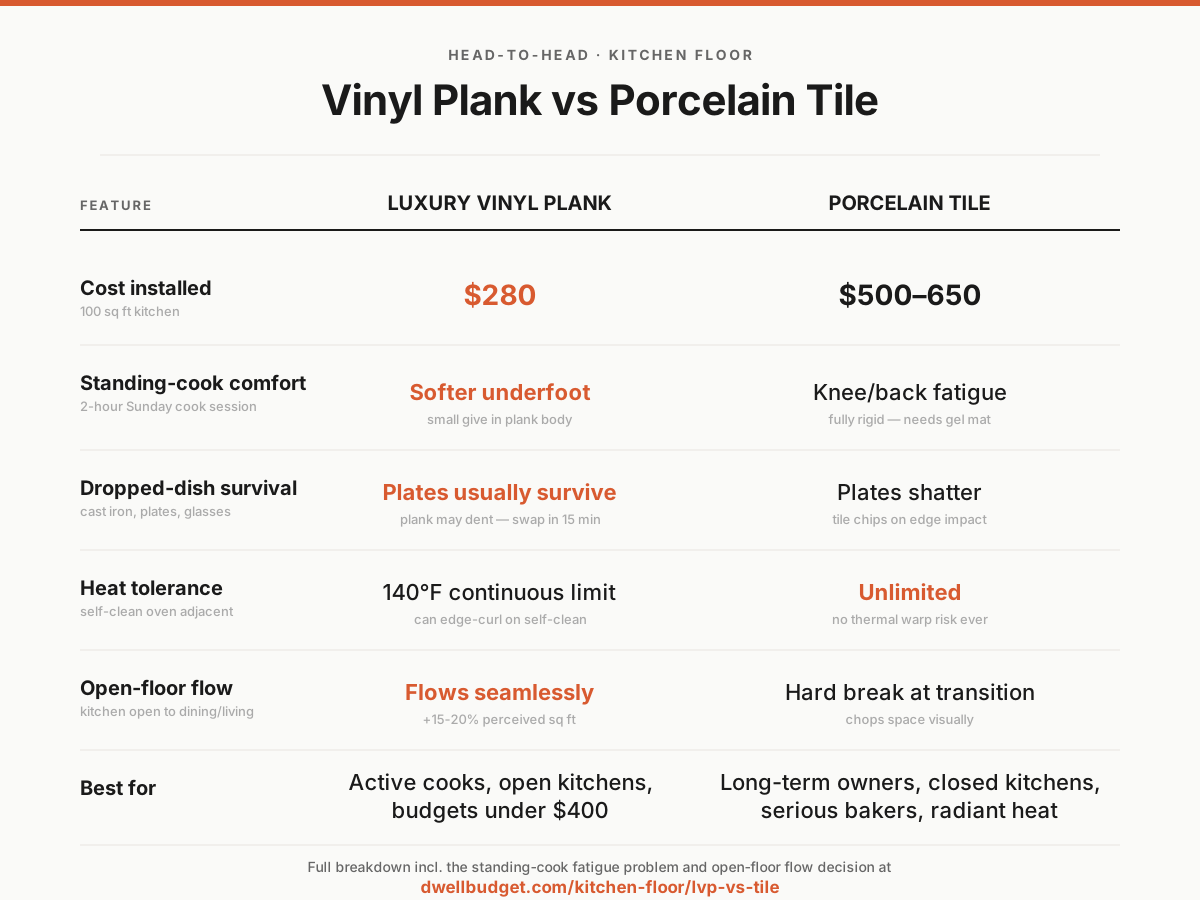
Comparison chart of luxury vinyl plank versus porcelain tile for kitchen floors
Kitchen Floor

Vinyl Plank vs Porcelain Tile

$280 LVP (softer for standing cooks, flows into open-concept dining/living rooms, plates survive drops) vs $500–650 porcelain tile (unlimited heat tolerance near the oven, 20+ year lifespan, no fridge indent). The standing-cook fatigue and open-floor continuity decide it for most kitchens.

Best for: Active cooks and open kitchens vs long-term owners in closed kitchens and serious bakers

Read full comparison →
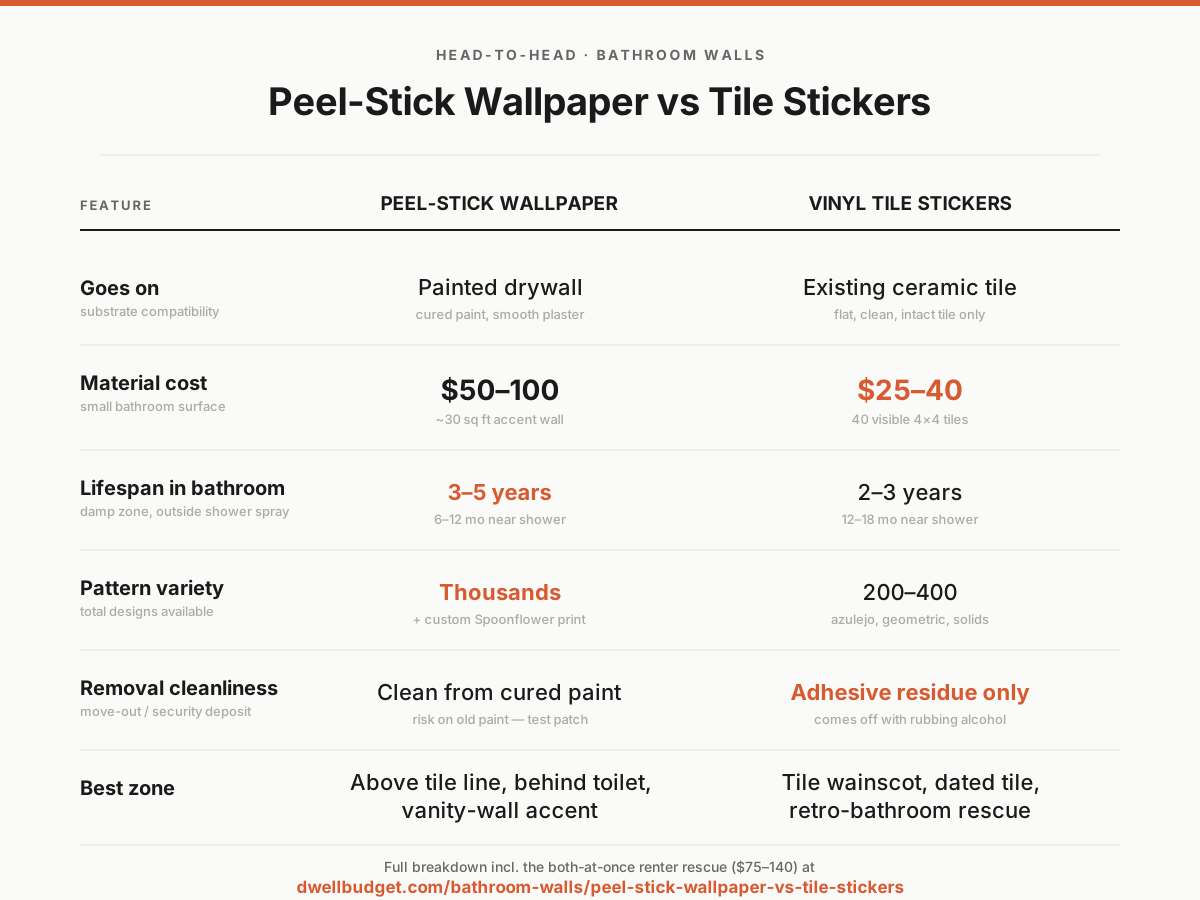
Comparison chart of peel-and-stick wallpaper versus vinyl tile stickers for bathroom walls
Bathroom Walls

Peel-Stick Wallpaper vs Tile Stickers

$50–100 peel-stick wallpaper (drywall above the tile line, thousands of patterns + custom Spoonflower print) vs $25–40 tile stickers (cover dated ceramic tile without demolition). They don't really compete — they cover different surfaces. The both-at-once renter rescue ($75–140) is the highest-impact move.

Best for: Full-wall transformation on drywall vs ugly-tile rescue without demo, or both for full bathrooms

Read full comparison →
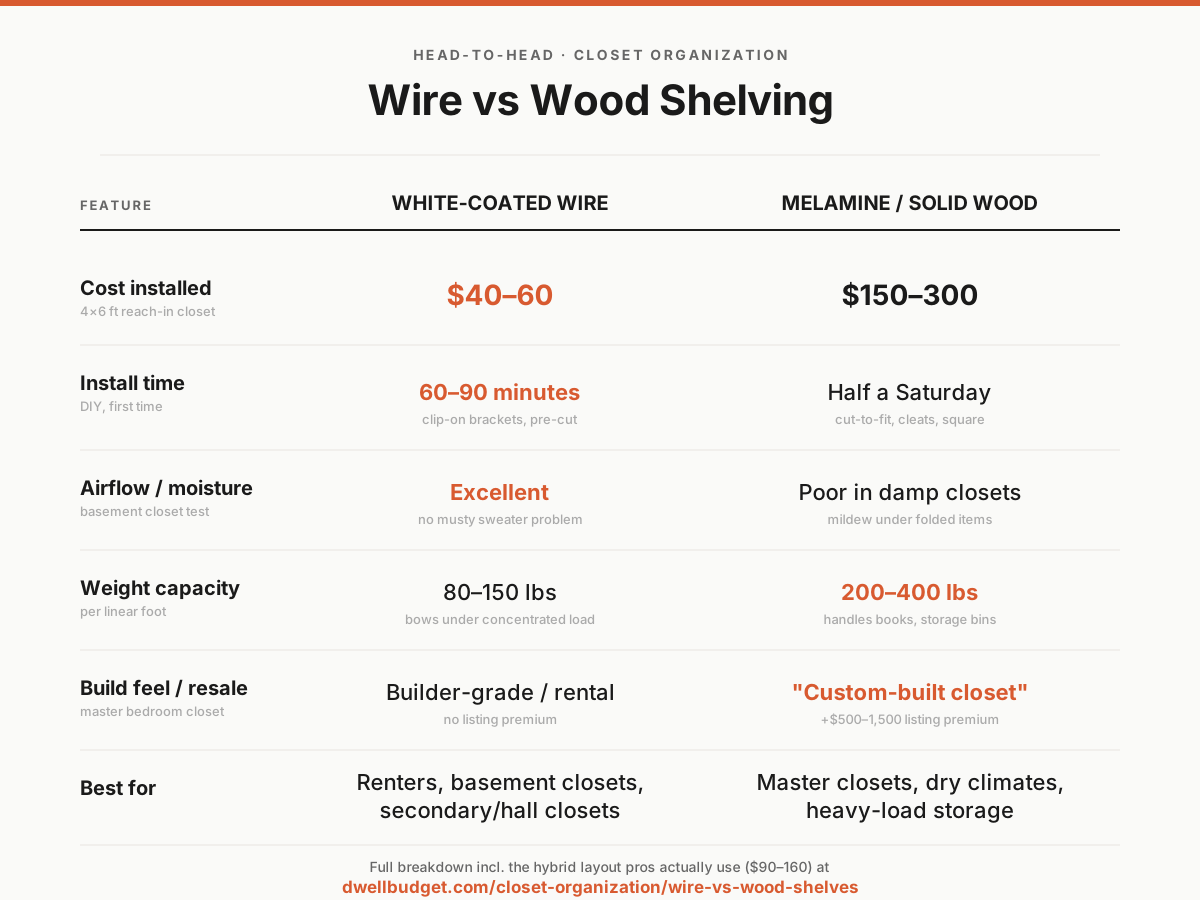
Comparison chart of white-coated wire shelving versus melamine wood shelving for closets
Closet Organization

Wire vs Wood Closet Shelves

$40-60 wire (excellent airflow for damp closets, 60-90 min DIY install, items fall through gaps) vs $150-300 wood ($500-1,500 listing premium in master closets, 200-400 lb/ft capacity, mildew risk in damp closets). The hybrid layout pros quietly use combines both for $90-160.

Best for: Basement/secondary closets and budget renters vs master bedroom closets in dry climates

Read full comparison →
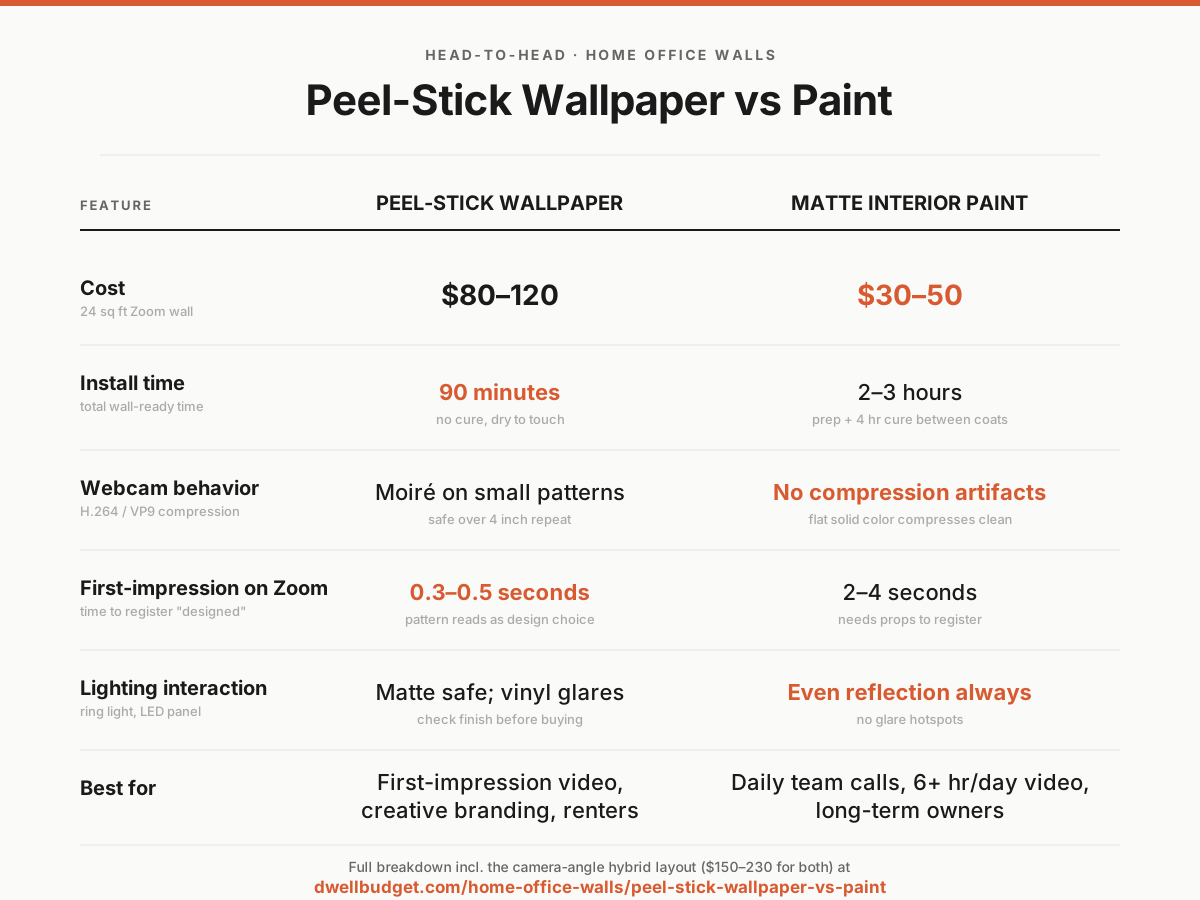
Comparison chart of peel-and-stick wallpaper versus paint for home office walls
Home Office Walls

Peel-Stick Wallpaper vs Paint

$80-120 wallpaper (reads 'designed creative space' in 0.3 sec on Zoom, custom Spoonflower brand prints, but moiré risk on small patterns) vs $30-50 paint (zero webcam compression artifacts, even lighting, but needs styling props to register). The camera-angle hybrid combines both for $150-230.

Best for: First-impression sales/interview video and creative branding vs daily team calls and 6+ hour video days

Read full comparison →
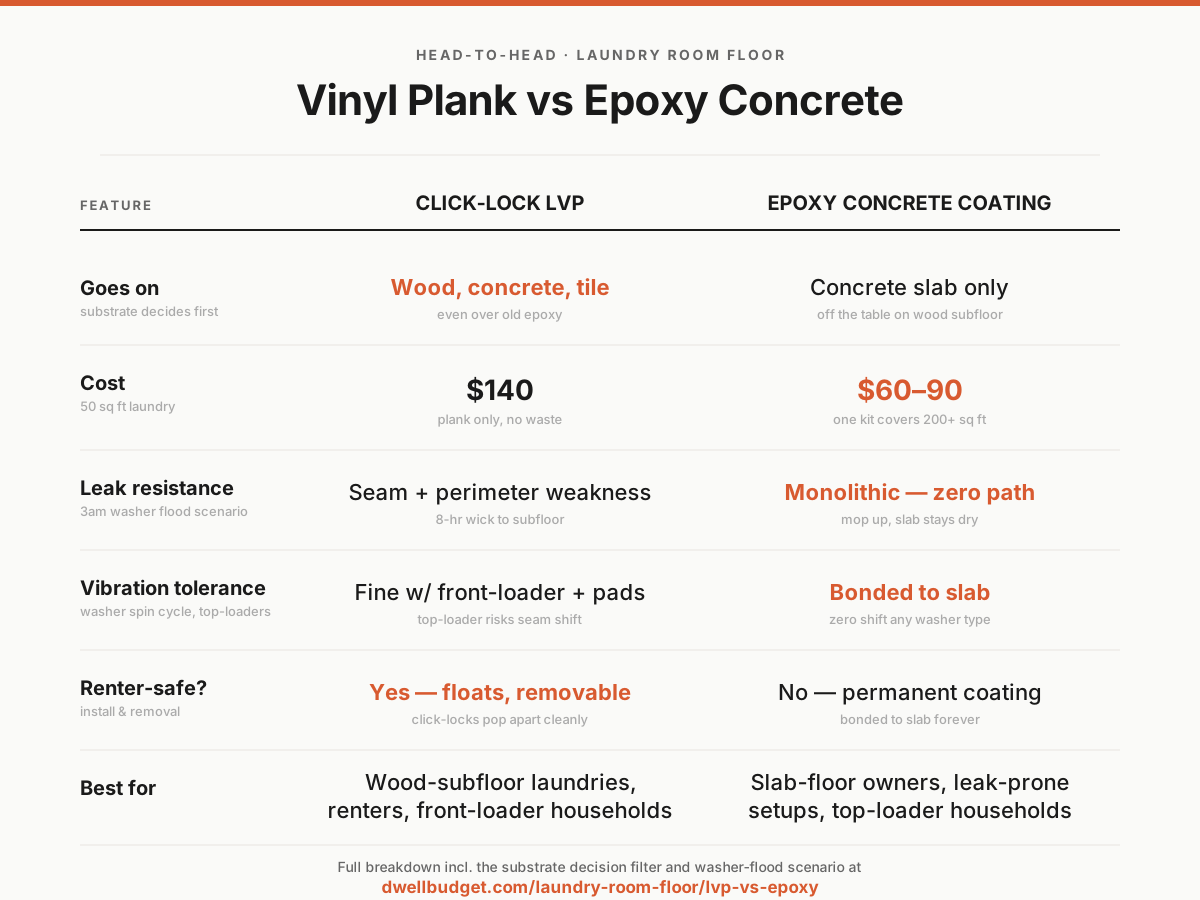
Comparison chart of luxury vinyl plank versus epoxy concrete coating for laundry room floors
Laundry Room Floor

Vinyl Plank vs Epoxy Concrete

$140 click-lock LVP (works on wood subfloor or concrete, renter-safe, warmer underfoot) vs $60-90 epoxy (concrete slab only, monolithic seamless surface with zero washer-flood leak path, top-loader vibration-proof). The substrate under your laundry decides 40% of this before any other factor.

Best for: Wood-subfloor laundries and renters vs slab-floor owners and top-loader households

Read full comparison →
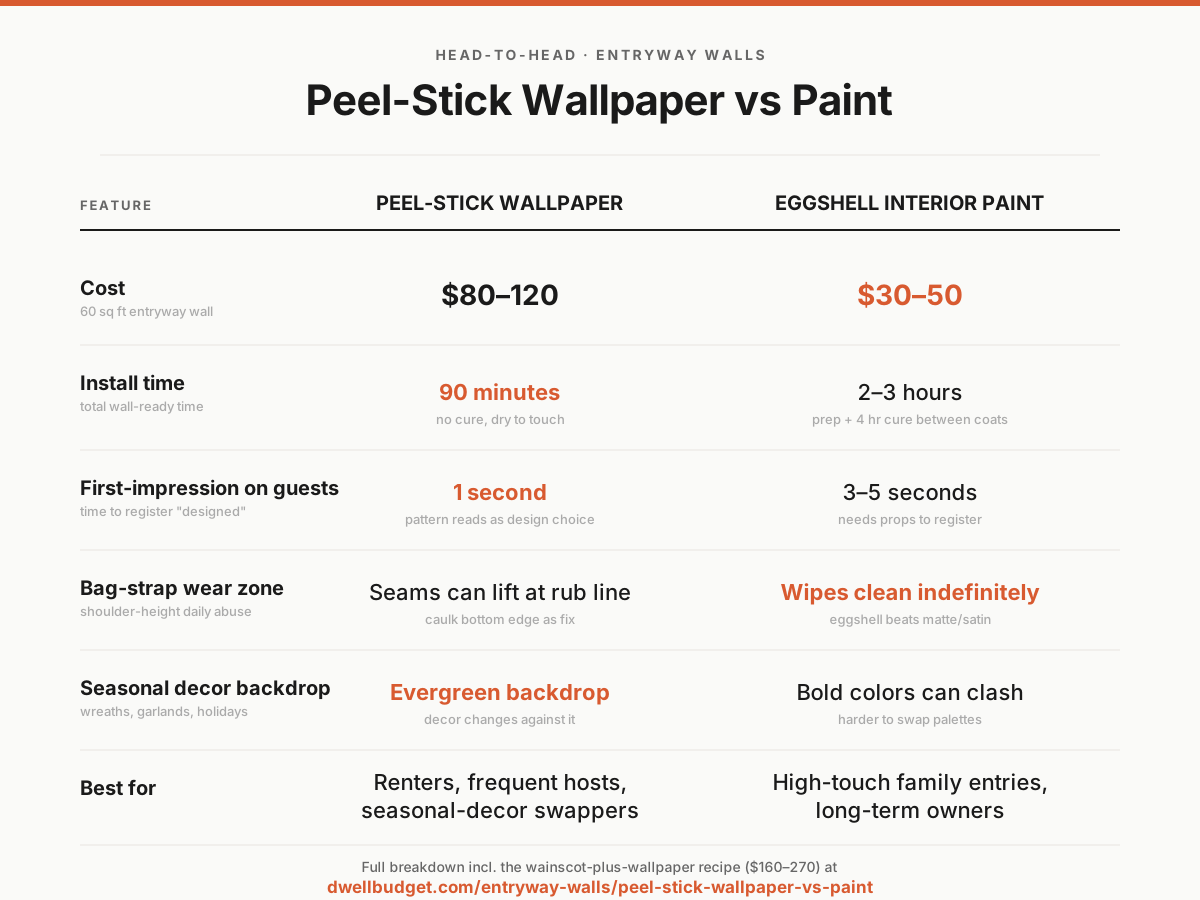
Comparison chart of peel-and-stick wallpaper versus eggshell paint for entryway walls
Entryway Walls

Peel-Stick Wallpaper vs Paint

$80-120 wallpaper (reads 'designed entrance' in 1 second when guests open the front door, evergreen backdrop for seasonal decor) vs $30-50 eggshell paint (wipes clean from bag-strap rub and muddy fingerprints, warm dark colors visually deepen narrow entryways). The wainscot-plus-wallpaper hybrid runs $160-270 for the most-Pinterested look.

Best for: Renters and frequent hosts vs high-touch family entries with kids and dogs

Read full comparison →
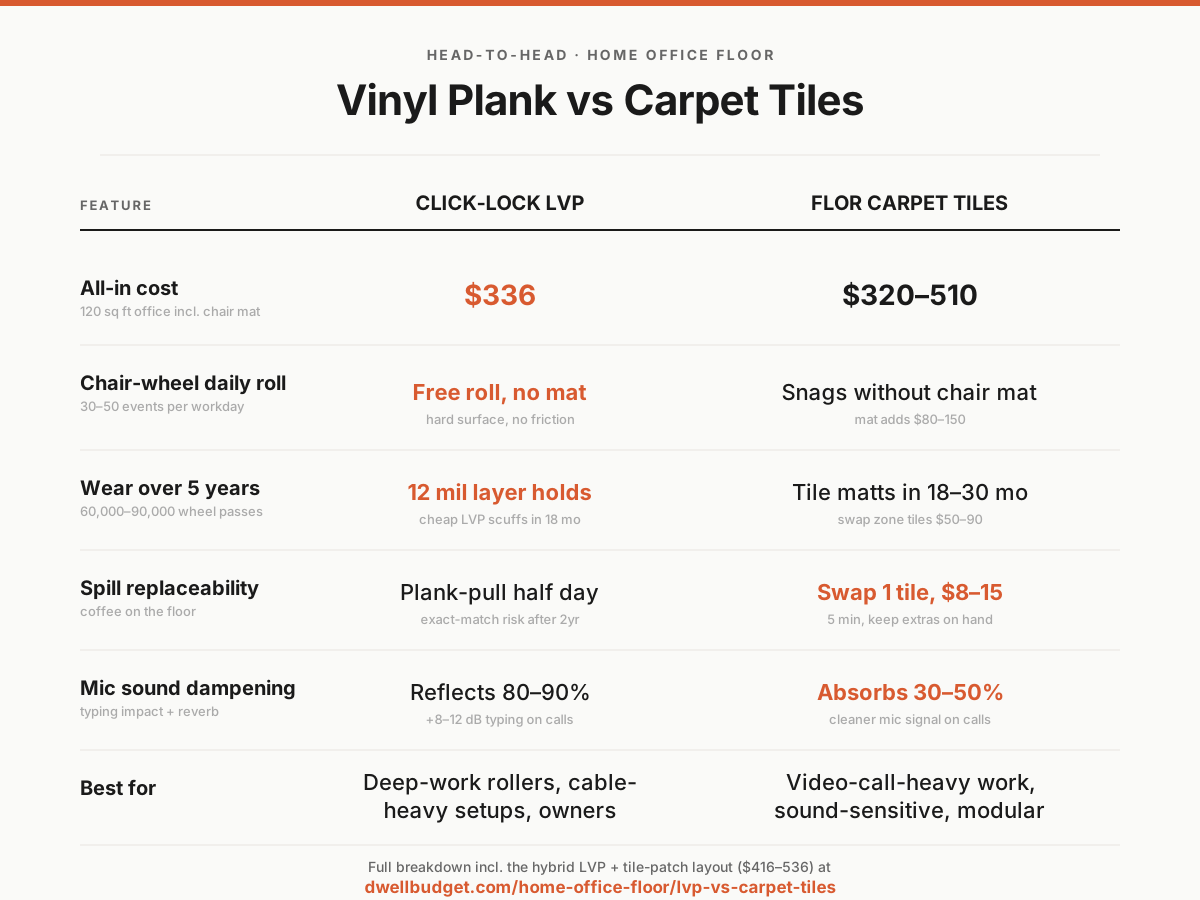
Comparison chart of luxury vinyl plank versus FLOR carpet tiles for home office floors
Home Office Floor

Vinyl Plank vs Carpet Tiles

$336 LVP (chair rolls freely no mat, 12 mil wear layer holds 60,000+ wheel passes, clean cable management) vs $320-510 carpet tiles (absorbs 30-50% of mic-pickup typing reverb, swap one $8-15 tile for spills, warmer underfoot). The hybrid LVP-plus-tile-patch under the desk runs $416-536.

Best for: Deep-work rollers and cable-heavy setups vs video-call-heavy work and sound-sensitive WFH

Read full comparison →
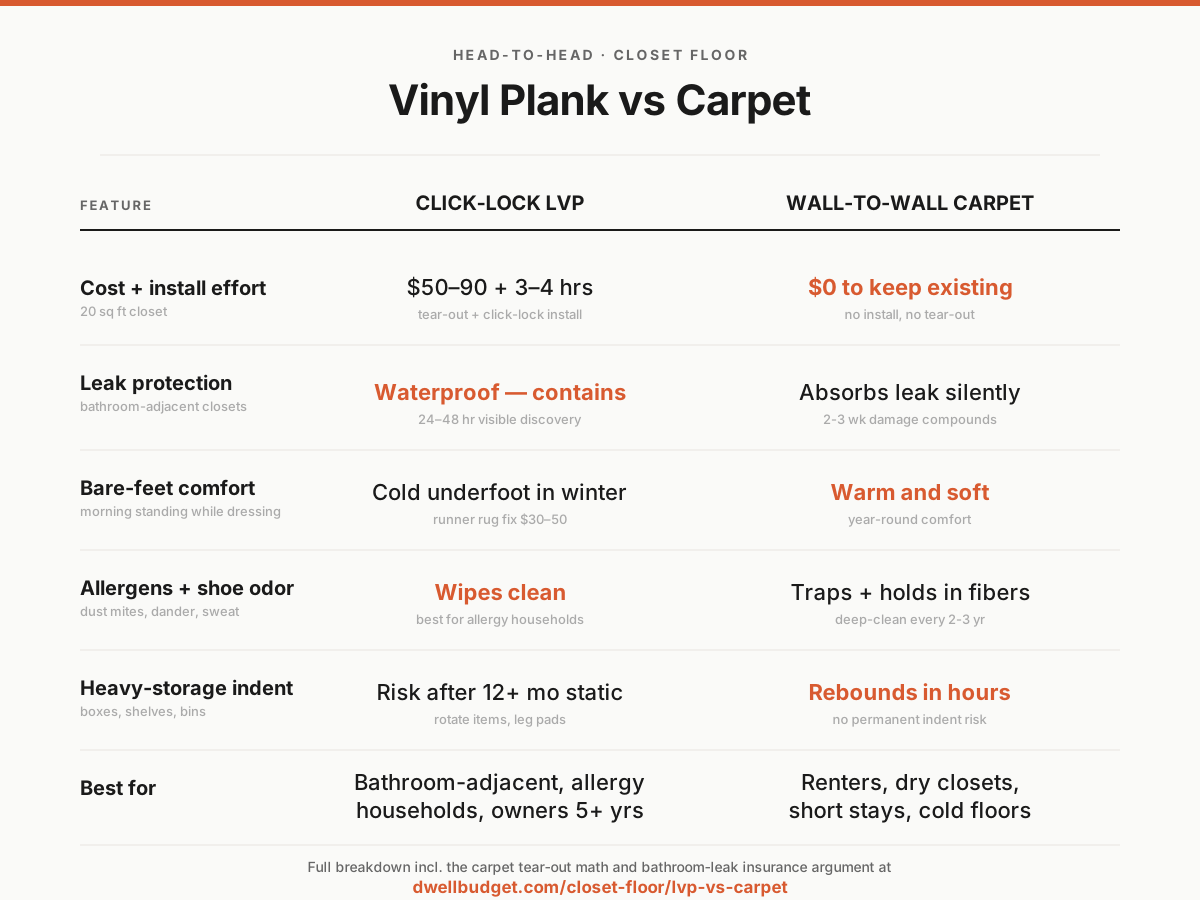
Comparison chart of click-lock luxury vinyl plank versus wall-to-wall residential carpet for closet floors
Closet Floor

Vinyl Plank vs Carpet

$50-90 LVP (waterproof leak-buffer for closets adjacent to bathrooms or laundry, allergen-friendly, extends 'hardwood throughout' resale signal) vs $0 to keep existing carpet (warm bare-feet morning comfort, no install cost, absorbs shoe odors and traps allergens in fibers). The bathroom-leak migration decides it for any closet sharing a wall with plumbing.

Best for: Bathroom-adjacent and master closets in owned homes vs dry interior closets and renters

Read full comparison →
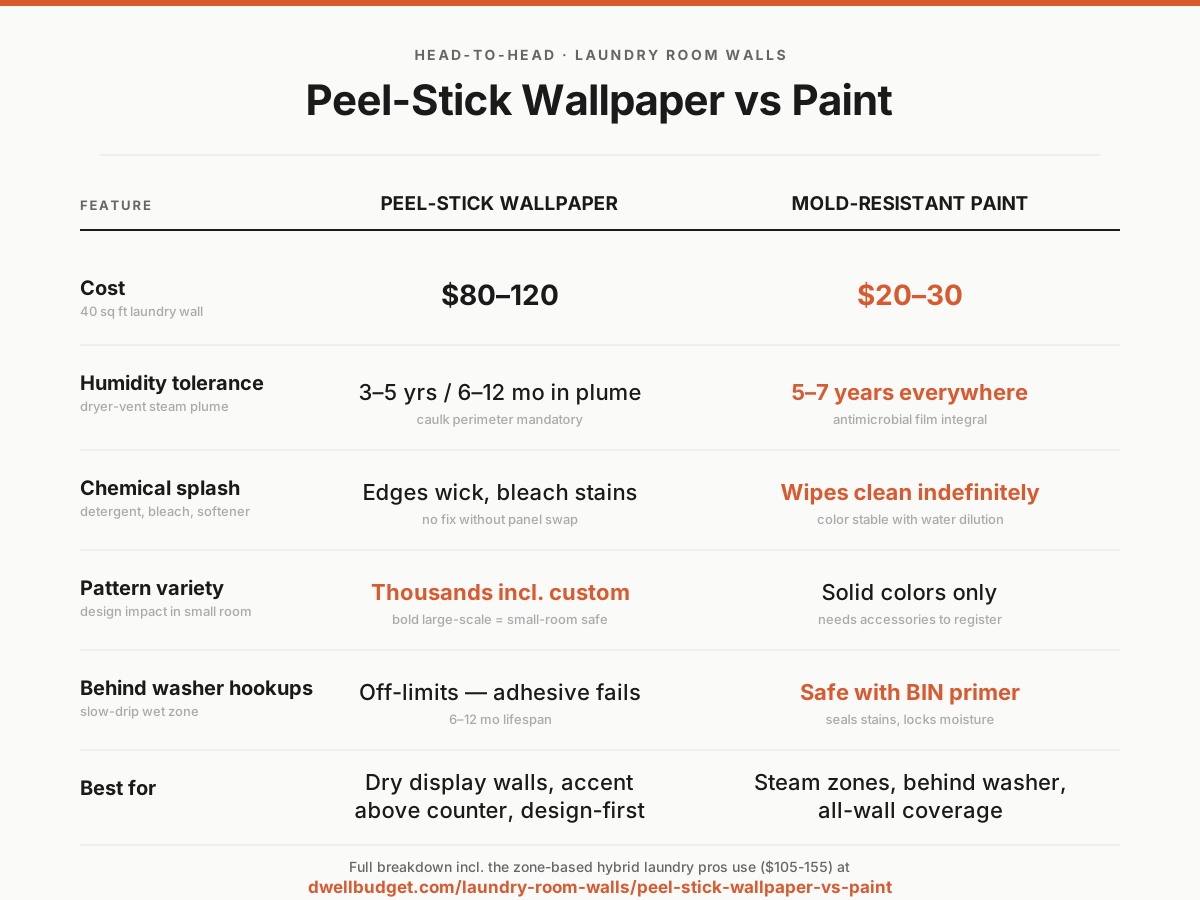
Comparison chart of peel-and-stick wallpaper versus mold-resistant eggshell paint for laundry room walls
Laundry Room Walls

Peel-Stick Wallpaper vs Paint

$80-120 wallpaper (bold design statement in the most-ignored room in the house, install in 90 min) vs $20-30 mold-resistant paint (wipes clean of detergent and bleach splash, antimicrobial film handles dryer-vent humidity for 5-7 years). The zone-based hybrid (paint steam walls + wallpaper focal wall) runs $105-155.

Best for: Dry display walls and design-first laundries vs steam/splash zones and all-wall coverage

Read full comparison →
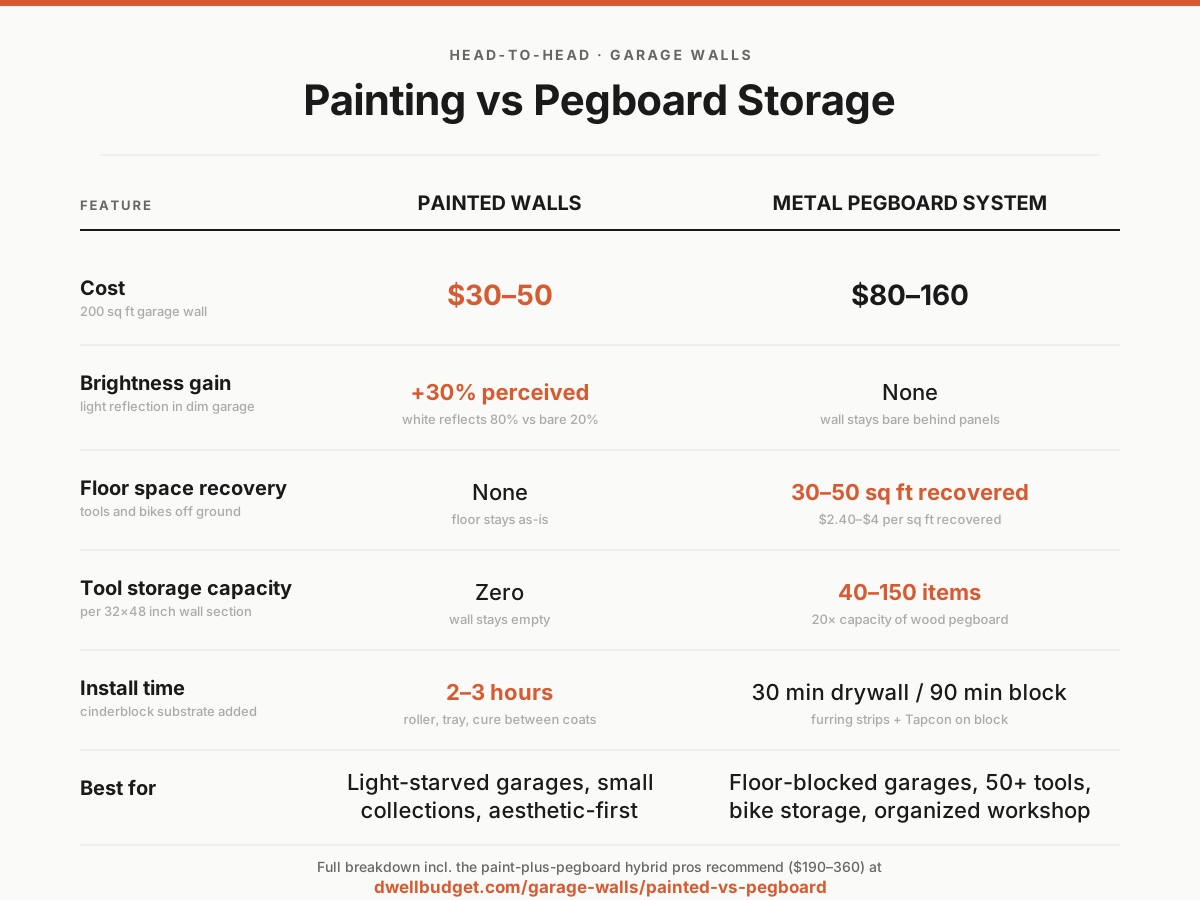
Comparison chart of garage wall painting versus metal pegboard storage
Garage Walls

Painting vs Pegboard

$30-50 paint (+30% perceived brightness, Drylok concrete sealer or quality drywall paint, no floor space recovery) vs $80-160 metal pegboard system (40-150 tools per panel, recovers 30-50 sq ft of floor space at $2.40-$4 per sq ft recovered, requires furring strips on cinderblock garages). The hybrid (paint full wall + pegboard work zones + ceiling racks) runs $190-360.

Best for: Dark garages with small tool collections vs cluttered garages with 50+ tools and bikes

Read full comparison →
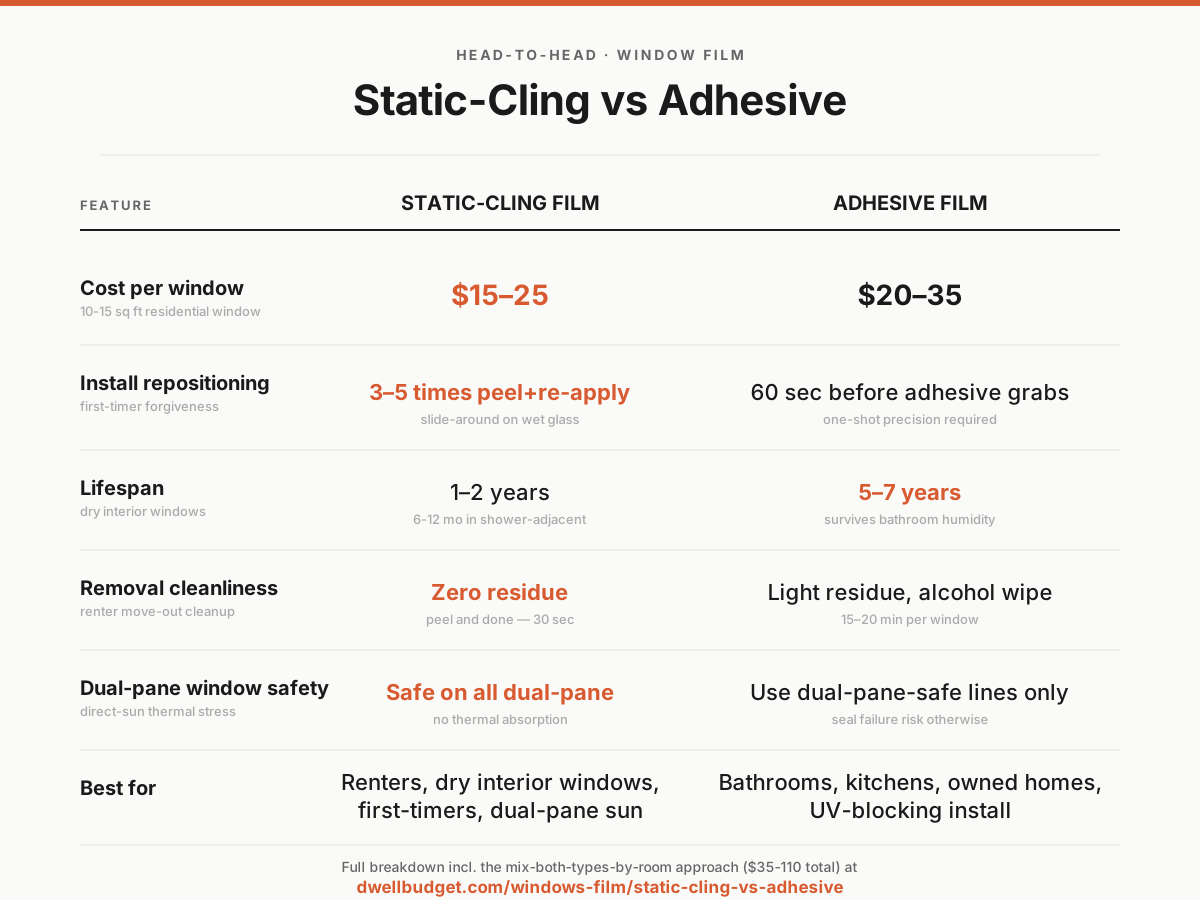
Comparison chart of static-cling versus adhesive window film install methods
Window Film

Static-Cling vs Adhesive

$15-25 static-cling film (repositions 3-5 times during install, peels off with zero residue at move-out, but only lasts 1-2 years on dry interior windows) vs $20-35 adhesive film (5-7 year lifespan even in shower-adjacent bathrooms, but one-shot install and 15-20 min cleanup per window). The mix-both-by-room approach runs $35-110 for a fully-filmed small house.

Best for: Renters and dry interior windows vs humid bathroom/kitchen windows and owned homes

Read full comparison →
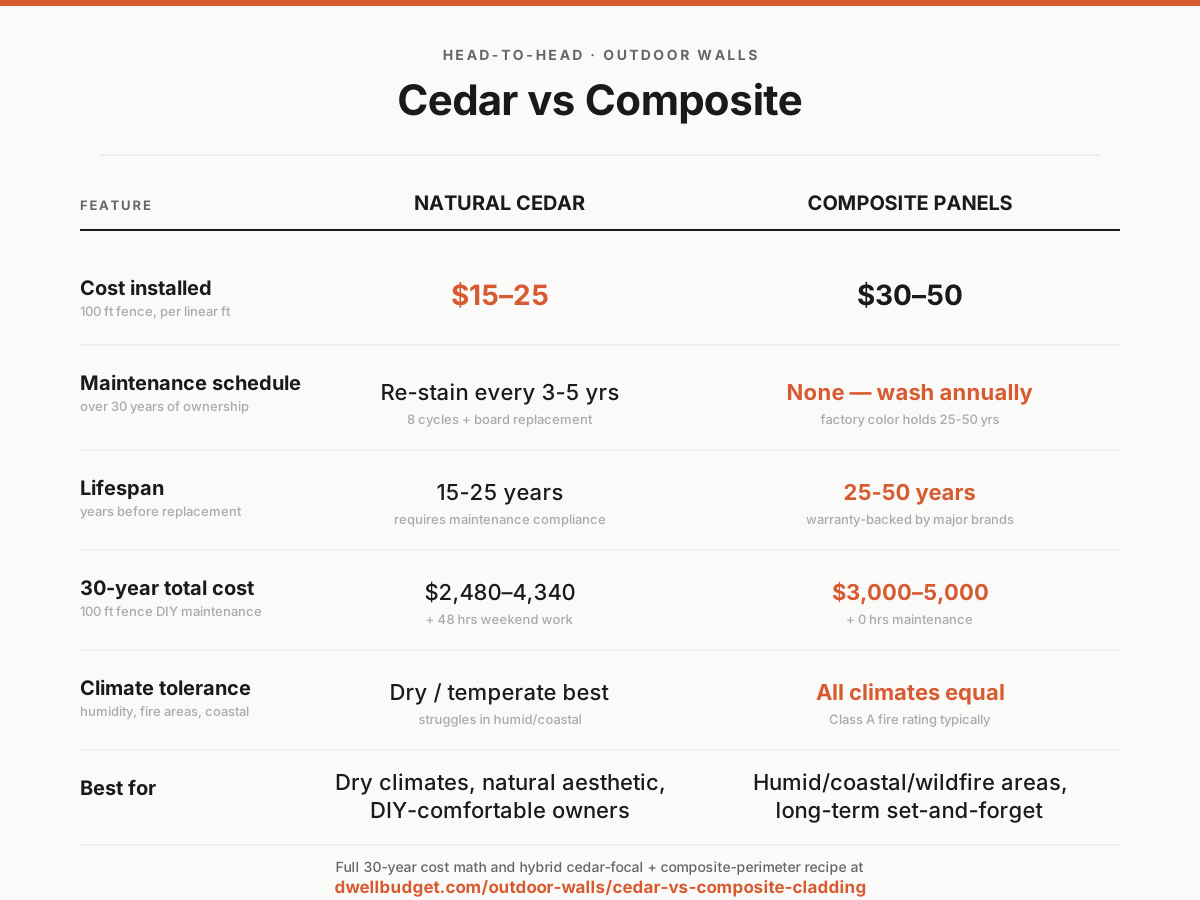
Comparison chart of cedar versus composite for outdoor walls and fence panels
Outdoor Walls

Cedar vs Composite

$15-25 per linear ft cedar (natural warmth, weathers silver-gray, but re-stain every 3-5 yrs) vs $30-50 per linear ft composite (zero maintenance, Class A fire rating, holds factory color 25-50 yrs). The 30-year DIY ownership math is nearly even ($2,480-4,340 cedar including maintenance vs $3,000-5,000 composite) — composite wins on climate flexibility and weekend-time recovery.

Best for: Dry climates and DIY-comfortable owners vs humid/coastal/wildfire areas and long-term ownership

Read full comparison →
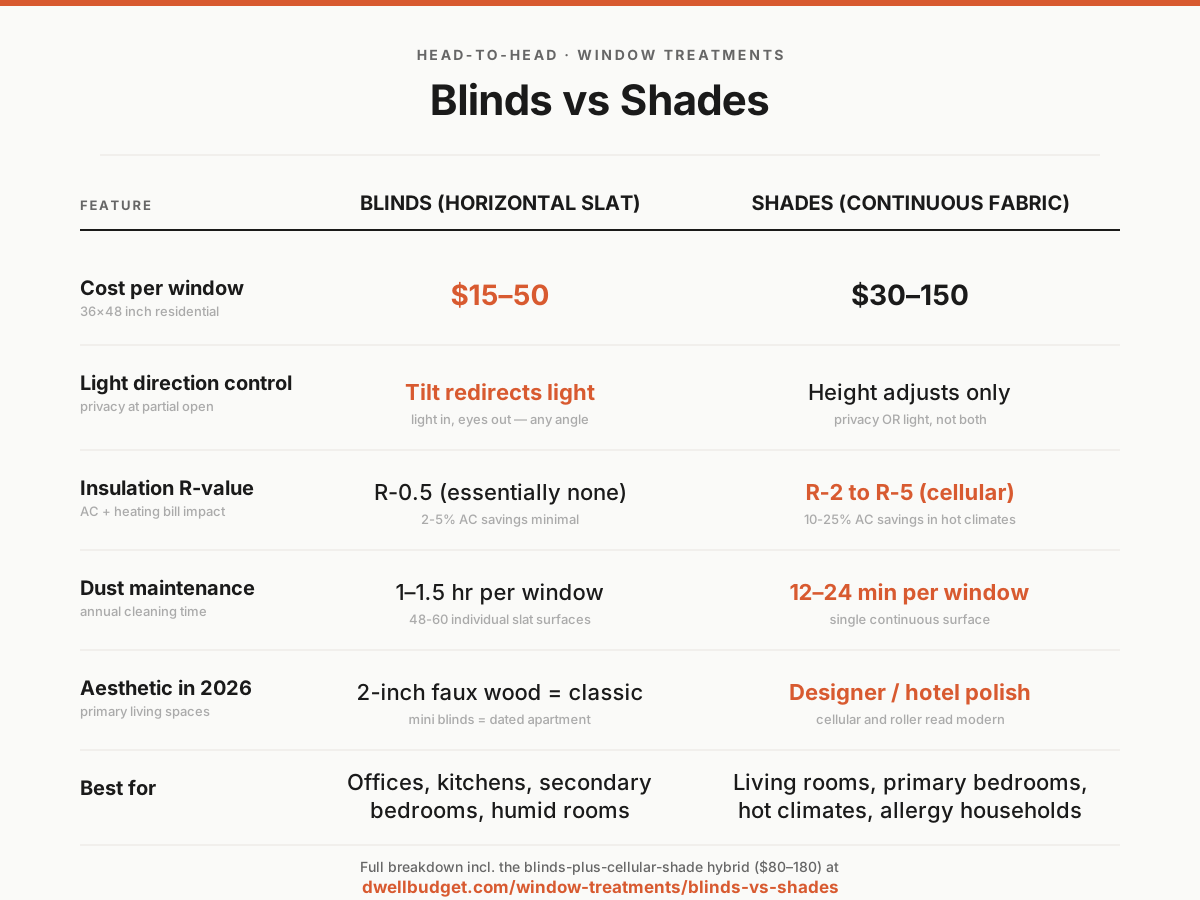
Comparison chart of blinds versus shades for window treatments across light direction control, insulation R-value and dust maintenance
Window Treatments

Blinds vs Shades

$15-50 blinds (tilt slats for privacy at any partial-open angle, R-0.5 insulation, 1-1.5 hr annual cleaning per window) vs $30-150 shades (height-only adjust, R-2 to R-5 cellular insulation cuts AC bills 10-25% in hot climates, 12-24 min annual cleaning). The blinds-plus-cellular-shade hybrid for $80-180 delivers both light direction control AND measurable insulation.

Best for: Offices and kitchens needing light-while-private vs hot-climate primary living spaces with high AC bills

Read full comparison →
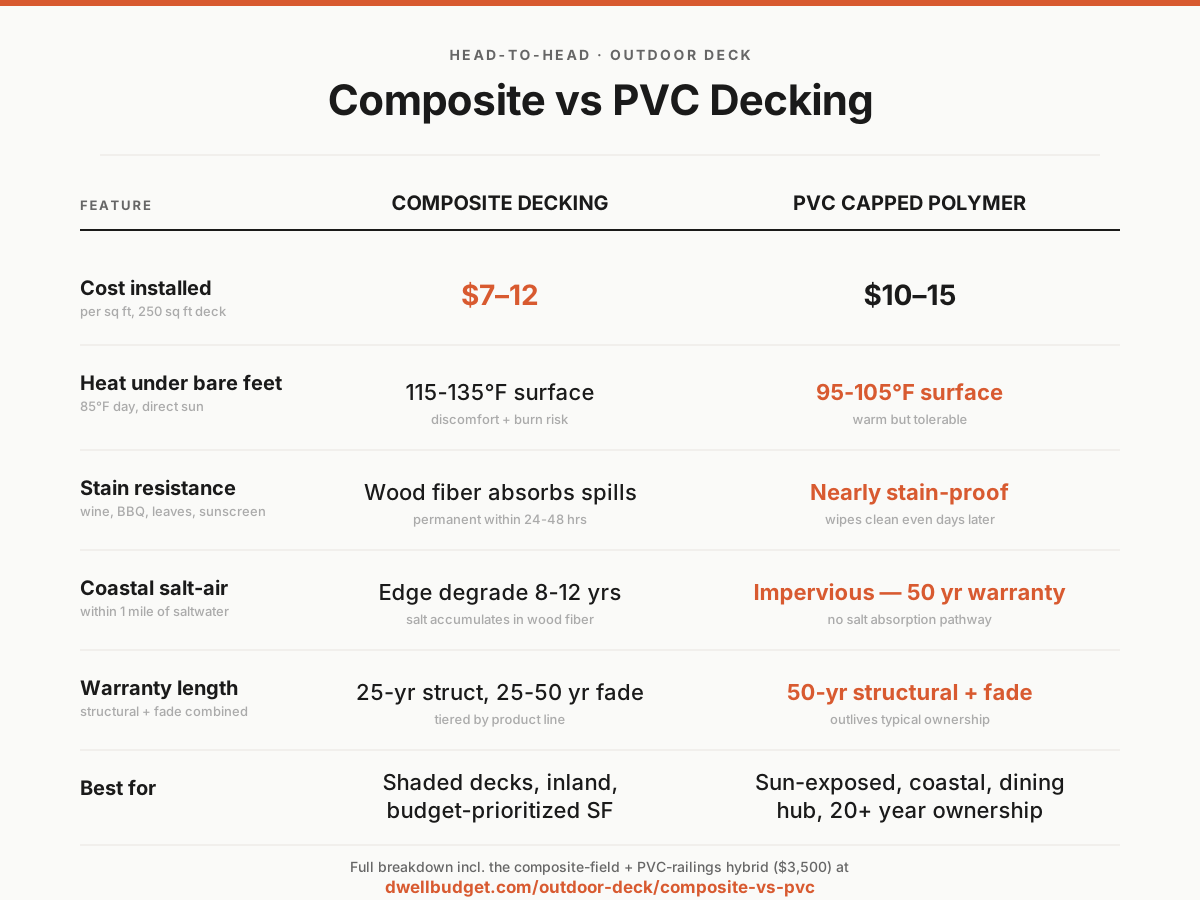
Comparison chart of composite versus PVC decking across heat retention, stain resistance, coastal performance and warranty length
Outdoor Deck

Composite vs PVC Decking

$7-12 per sq ft composite (more realistic wood-look, but holds heat 30-50°F above ambient = 115-135°F deck surface in sun = burn risk, stains from food/wine/leaves) vs $10-15 per sq ft PVC (stays 20-30°F cooler underfoot, nearly stain-proof, impervious to coastal salt-air, 50-year warranty). The composite-field + PVC-railings hybrid runs $3,500 for 250 sq ft.

Best for: Shaded inland decks and budget-prioritized square footage vs sun-exposed coastal decks, dining hubs, and 20+ year ownership

Read full comparison →

Why head-to-head comparisons?

The category pages on this site (like garage floor or outdoor deck) compare 4 options each — useful when you want to see the full landscape. But most people don't read 4 options. They've already narrowed it to 2 and want the honest math between them. These pages exist for that moment.

Every comparison here follows the same template: side-by-side data table, a visual infographic, "when to pick A" and "when to pick B" sections with concrete scenarios, an install-reality-check that's specific to the pair, a short verdict, and FAQs that don't duplicate the category-level FAQ. Prices are verified June 2026 from US-market kits at Amazon, Home Depot and Lowe's.

More comparisons coming as we hit them — let us know in the email subscription which pair you want covered next.